

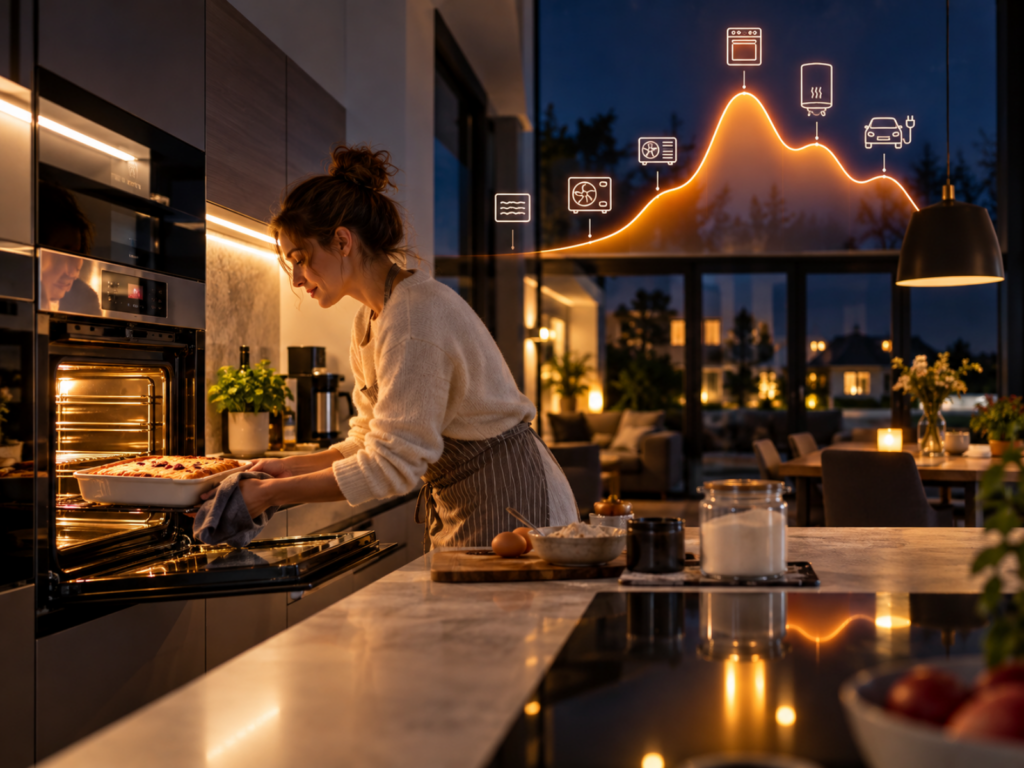
A heat pump, electric vehicle charging, water heating and additional electrical appliances can significantly improve everyday comfort at home. However, if several of them operate at the same time, the power drawn from the grid can rise sharply. A typical example is the evening: the car starts charging after you return from work, the heat pump is running, the water heater switches on and the oven is being used in the kitchen. Each of these devices is operating normally, but together they can create a high peak in power demand.
In Luxembourg, this is particularly important because of the way some grid charges are calculated and the concept of reference power. This does not mean, however, that you have to give up convenience or limit the use of your appliances. The key is to distribute their operation more effectively over time and make use of photovoltaics, energy storage and an energy management system to reduce simultaneous high power demand from the grid as much as possible.
Table of contents
ToggleWhat is reference power in Luxembourg and why does it matter?
Reference power in Luxembourg is expressed in kilowatts (kW) and serves as a benchmark for the amount of power drawn from the grid. If a household draws more power than its assigned reference level for a certain period of time, this may affect the amount of grid charges. However, it is not a maximum power limit that users are prohibited from exceeding, nor does exceeding it automatically result in the electricity supply being disconnected. The main objective is to reduce prolonged and recurring peaks in power demand.
It is also worth explaining the difference between a kilowatt and a kilowatt-hour. A kilowatt (kW) describes power – how much energy appliances require at a given moment – while a kilowatt-hour (kWh) describes how much energy has been consumed over a certain period of time. Two homes may therefore use the same amount of energy over the course of a day, but the one in which an electric car, heat pump and other appliances operate simultaneously may experience significantly higher peaks in power demand. This distribution of electricity consumption over time is particularly important in relation to reference power.
Why can an electric car and a heat pump cause high power demand peaks?
An electric car or heat pump alone does not necessarily cause a problem with high power demand. The issue arises when they operate at the same time as other appliances with high electricity requirements, such as an oven, induction hob, water heater or tumble dryer. Their power demand then adds up, causing the amount of power drawn from the grid to rise significantly for a short period.
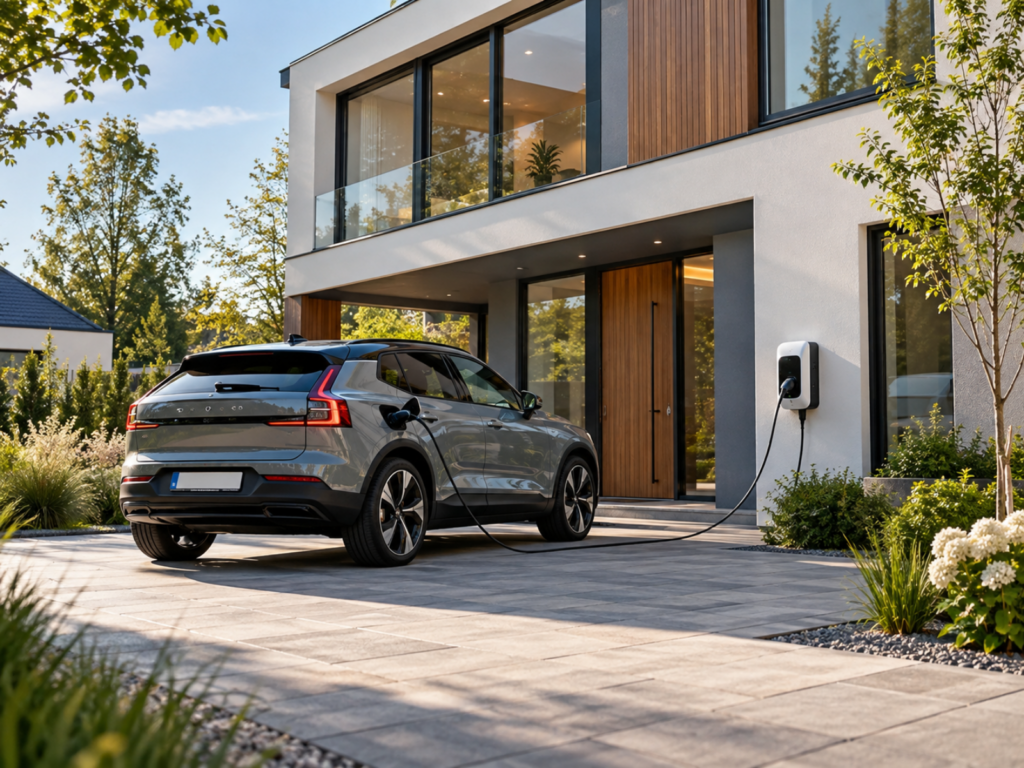
A good example is the evening, when the car starts charging after you return home, the heat pump is heating the building, hot water is being prepared and a meal is being cooked at the same time. Each device is operating normally, but together they can create a high power demand peak lasting several or even several dozen minutes. That is why it is important to consider not only how much energy a home uses over an entire day, but also when individual appliances are operating and at what power. If their operation is spread out over time, the same household can consume a similar amount of energy while drawing significantly less power from the grid during the most demanding periods.
Can photovoltaics and energy storage reduce peak power demand?
Yes, both solutions can help reduce the amount of power drawn from the grid, although they work in different ways. The best results are achieved when they are properly integrated with an energy management system.
Photovoltaics
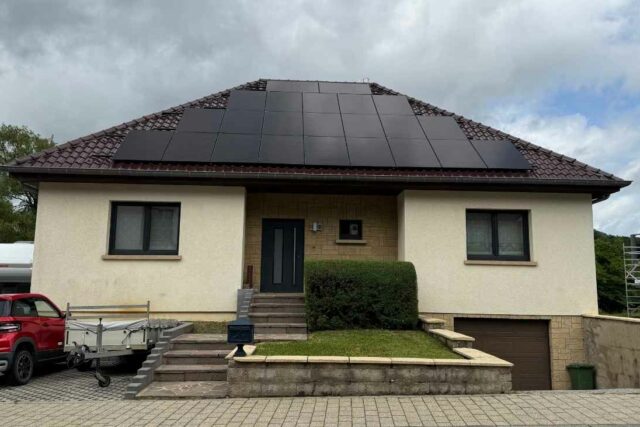
A photovoltaic installation reduces grid consumption when it is generating electricity and covering the household’s current energy demand. If the heat pump is running during the day, the car is charging or other high-power appliances are being used, part of the required energy can come directly from the PV panels.
However, photovoltaics cannot prevent every power demand peak. If high demand occurs in the evening, at night or during periods of low winter production, electricity has to be drawn from the grid unless the home is also equipped with an energy storage system.
Energy storage
An energy storage system is particularly useful when household power demand rises sharply. For example, if the heat pump, EV charger and other appliances are operating simultaneously, the battery can supply part of the required power and therefore reduce the amount drawn from the grid.
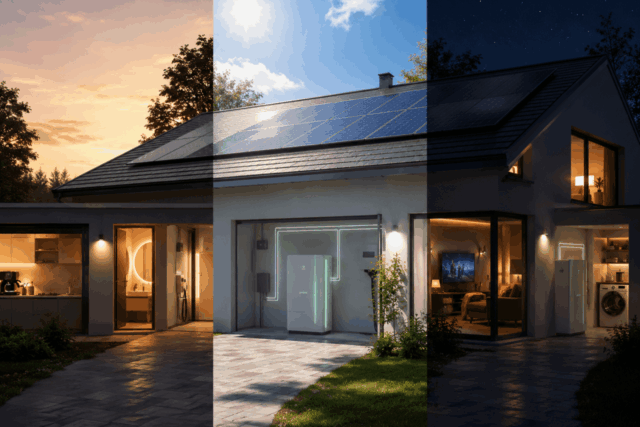
This means that not all the power required at a given moment has to come from the electricity grid. The best results are achieved with a system in which photovoltaics supply the home and charge the battery during the day, while the stored energy is used later during periods of higher demand.
However, an energy storage system will not automatically reduce peaks in every situation. Proper configuration and energy flow control are required so that the battery actually supports the household during periods of highest power demand.
How can you check your power demand profile and identify opportunities for optimisation?
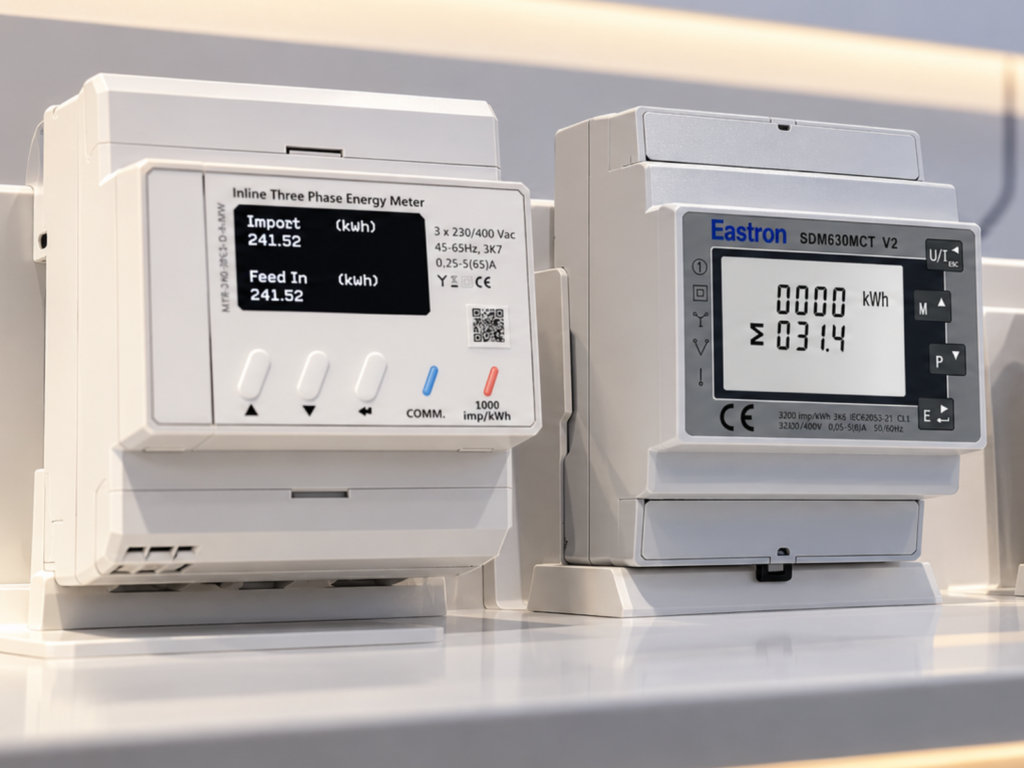
The best place to start is by checking your current reference power and data from the smart meter. It is worth looking at the times when the home draws the most power from the grid and whether high values occur regularly, for example in the evening after household members return home.
Smart meters and energy sensors can be helpful in this type of analysis, including SolarEdge solutions and Sig Sensor devices available from Voltmax. They make it possible to monitor energy flows within the home and see when grid consumption increases and when demand is covered by the photovoltaic installation or energy storage system. This makes it easier to identify recurring peaks and determine which appliances are operating at the same time.
The next step is to identify which devices are operating simultaneously during those periods. These may include the EV charger, heat pump, water heating system or kitchen appliances. It is then worth checking whether some of them can operate at different times or at reduced power without affecting everyday comfort.
Measurement itself is only the starting point. Voltmax can combine data from the meter with a properly configured photovoltaic installation, energy storage system and appliance control. Such a system monitors the situation continuously and helps address the source of the problem, for example by changing EV charging times, adjusting charger power or using stored energy during periods of highest demand. The specific possibilities depend on the equipment installed in the home and its configuration.
Finally, it is worth assessing whether part of the demand can be covered by the photovoltaic installation or energy storage system. If the highest power demand occurs during the day, current PV production may play a more important role. If peaks occur in the evening, an energy storage system or appropriate appliance control may be more helpful. The key consideration is therefore not only how much energy the home uses, but above all when it is consumed and how much power is required at a given moment.
How can Voltmax help reduce peak power demand?
Effective optimisation should begin with an analysis of how the household actually uses electricity. Voltmax can assess the current power demand profile, reference power, heat pump operation, EV charging patterns and photovoltaic production.
The analysis can also take into account the capacity and operating strategy of the energy storage system, communication between individual devices and the use of an energy management system. Based on this information, suitable settings and operating schedules can be selected to reduce unnecessary overlap between high-power appliances and lower peak demand without compromising comfort.
Would you like to know when your home draws the most power and what you can do about it? Contact Voltmax. We will analyse how energy is used in your home and propose a solution tailored to your installation, heat pump and EV charging setup. See how smart metering and properly configured control can help you reduce peak power demand without giving up everyday comfort.