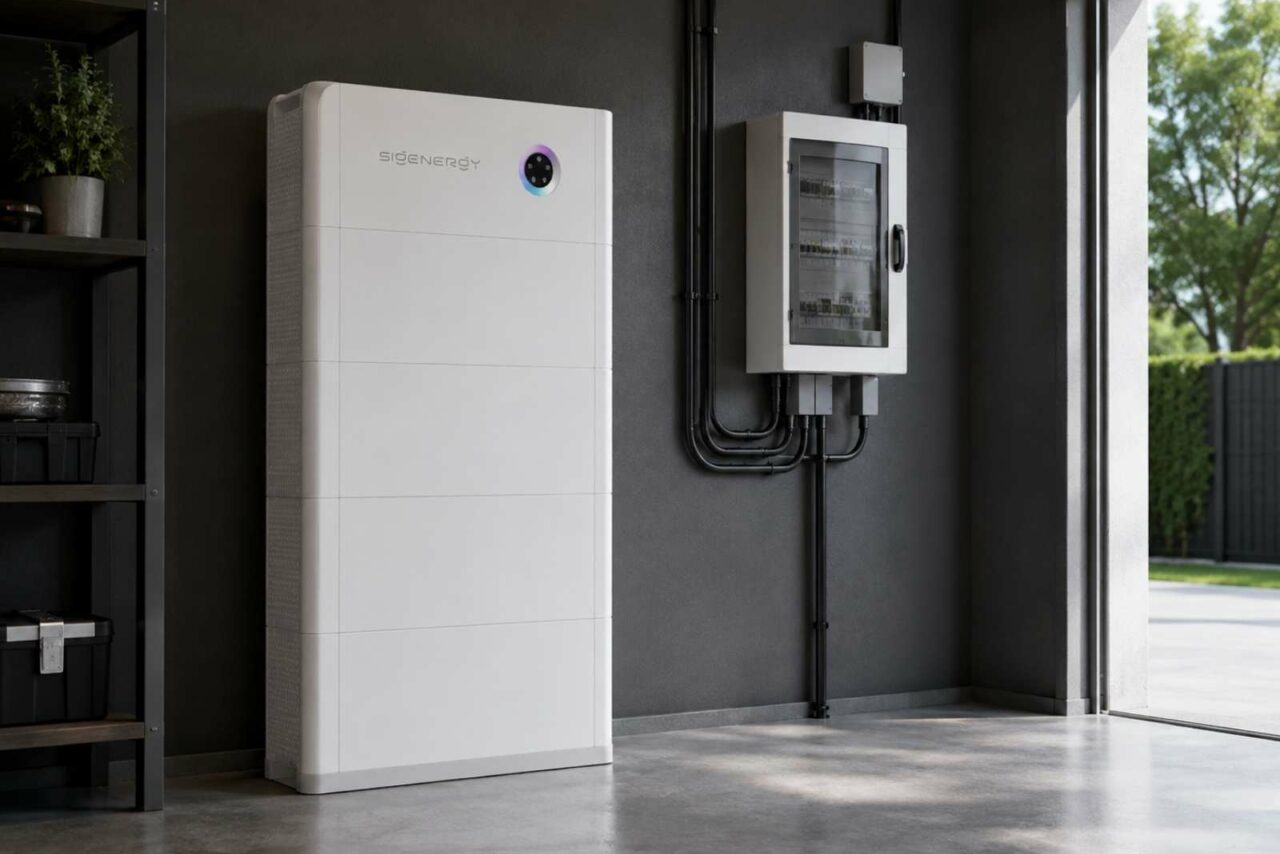

An energy storage system is a modern battery-based solution that helps increase self-consumption and improve a home’s energy independence every day. Like any battery, it gradually changes its operating parameters over time – its capacity or maximum charging and discharging power may decrease slightly. This is a natural process known as degradation. Most importantly, degradation does not mean a failure or sudden “wearing out” of the battery. It is a predictable ageing process that manufacturers take into account both when designing their systems and when defining warranty terms. A properly selected and correctly used energy storage system can operate reliably for many years.
Table of contents
ToggleIs degradation a real problem in a home with PV?
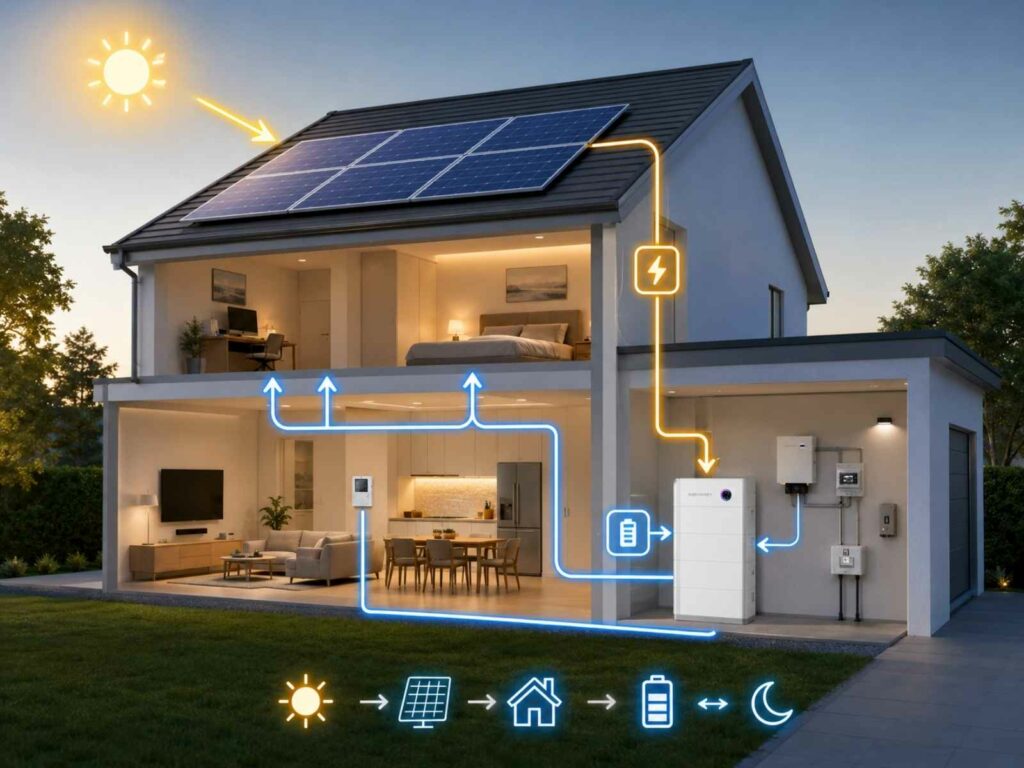
In a home with photovoltaics, degradation is a natural part of battery operation, but in practice it is usually not a problem for the user. Home energy storage systems are designed for many years of use, which is why manufacturers anticipate gradual changes in performance and clearly define them in their warranties.
This means that the battery continues to operate efficiently and predictably for years, while any changes in capacity remain within the range considered normal for modern energy storage systems.
What has the greatest impact on energy storage degradation?
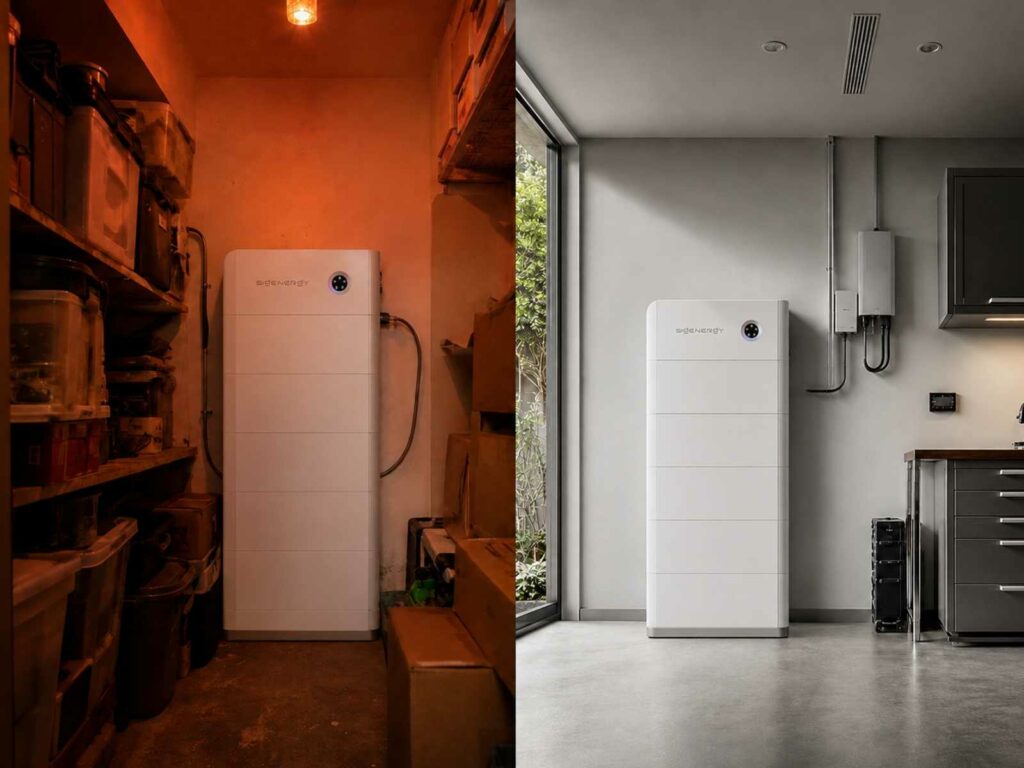
The operating temperature of the battery has the greatest impact on the rate of ageing. Stable operating conditions support a long service life, which is why choosing the right installation location and ensuring proper ventilation are so important.
The way the storage system is used also matters. Keeping the battery at its maximum state of charge for long periods is not always necessary, which is why many modern systems allow users to set a more optimal operating range for the battery.
Depth of discharge is also important – in other words, how intensively the battery is used on a daily basis. Systems that operate within a stable range usually maintain good performance parameters for longer.
The intensity of operation also plays a role, including the frequency of charging and discharging cycles and the power levels used. This is why it is so important to match the energy storage system to the home’s actual energy needs – a properly sized system works more calmly, more stably and more efficiently.
How can you extend the service life of a battery in an energy storage system?
The service life of an energy storage system can be effectively supported through appropriate settings and proper operating conditions. The goal is not to limit the use of the battery, but to use it consciously and optimally.
A good solution is to operate the storage system within a moderate state-of-charge range instead of keeping the battery constantly at 100% when this is not necessary. Many systems enable intelligent energy management based on the actual consumption profile.
Installation conditions are also very important. An energy storage system performs best in a location with a relatively stable temperature, adequate ventilation and in accordance with the manufacturer’s recommendations.
It is also worth setting an energy reserve for backup operation. This allows the battery to keep a reserve of energy for the most important loads while also avoiding regular operation at extremely low states of charge.
Choosing the right storage capacity and power rating for the building’s characteristics is also crucial. A well-matched system operates more steadily, is subject to less stress and maintains high efficiency for longer.
Batteries in energy storage systems for businesses
In business applications, energy storage systems often operate more intensively than in homes. They support not only self-consumption, but also peak shaving, tariff optimisation and the stabilisation of larger loads.
Despite higher loads, the principles of battery operation and ageing remain the same. For businesses, it becomes particularly important to plan the system properly in terms of profitability, the number of cycles and the total amount of energy processed by the storage system, known as throughput.
Myths about battery degradation
There are many oversimplifications surrounding energy storage systems, which unnecessarily create concerns. In practice, modern systems are designed specifically for many years of operation.
Myth: A battery deteriorates simply because it is used.
Fact: Battery wear depends not only on operation, but also on time, temperature and operating conditions.
Myth: A battery must always be charged to 100%.
Fact: Many systems perform better with more flexible operating settings that follow the manufacturer’s recommendations.
Myth: An energy storage system needs to be replaced after 2 years.
Fact: Degradation is gradual and is accounted for by manufacturers in warranty parameters.
Myth: Every battery behaves in the same way.
Fact: Cell technology, system configuration and the way the system is used all have a major impact.
How does Voltmax help reduce degradation in practice?
Voltmax helps select an energy storage system based on the actual energy consumption profile, not only on the power of the PV installation. As a result, the system operates stably, efficiently and in line with the manufacturer’s recommendations.
We select the appropriate storage capacity and power rating, configure the operating strategy and set the parameters that affect battery life – including backup reserve, charging and discharging limits, and energy-use priorities.
We also advise on the optimal installation location in terms of temperature, ventilation and service access, helping to maintain stable operating conditions for the device over the years.
After the system is commissioned, we support monitoring and servicing: checking operating parameters, carrying out updates and performing inspections that make it possible to respond quickly to any irregularities and maintain the high efficiency of the energy storage system.
Interested in an energy storage system? Contact Voltmax – we will prepare a solution tailored to your home and energy consumption habits, so that the system operates stably, predictably and efficiently for many years.