

Die Installation einer Klimaanlage in einer Wohnung in Luxemburg wirft viele Fragen auf, die oft erst während des Einbaus auftauchen: ob überhaupt ein Außengerät installiert werden kann, wo es platziert werden soll, wie sich Geräusche reduzieren lassen, um die Nachbarn nicht zu stören, wie Kondenswasser sicher abgeleitet werden kann und ob für Eingriffe an der Fassade oder in den Gemeinschaftsbereichen des Gebäudes die Genehmigung der Hausverwaltung oder der Eigentümergemeinschaft erforderlich ist. Die gute Nachricht ist, dass sich der Markt für Klimaanlagen erheblich weiterentwickelt hat und es heute möglich ist, eine für die meisten Wohnungen geeignete Lösung zu finden – vorausgesetzt, dass sowohl die Katalogangaben als auch die tatsächlichen Gegebenheiten des Gebäudes von Anfang an berücksichtigt werden. Es ist auch zu bedenken, dass die meisten modernen Klimaanlagen in der Praxis Luft-Luft-Wärmepumpen sind: Neben der Kühlung können sie auch heizen, was in der Übergangszeit nützlich sein kann. Interessieren Sie sich für die Installation einer Klimaanlage in Luxemburg? Lesen Sie weiter.

Inhaltsübersicht
ToggleWelche Arten von Klimaanlagen werden in Luxemburg installiert?
In Luxemburg gibt es verschiedene Arten von Klimaanlagen, die sich nicht nur in ihrer Funktionsweise unterscheiden, sondern auch hinsichtlich ihrer Installationsanforderungen und ihrer Eignung für Wohnungen. In den meisten Fällen hängt die Wahl davon ab, ob Sie ein Außengerät installieren können und wie viele Räume Sie tatsächlich kühlen möchten. Übersetzt mit DeepL.com (kostenlose Version)
Split-Klimaanlagen
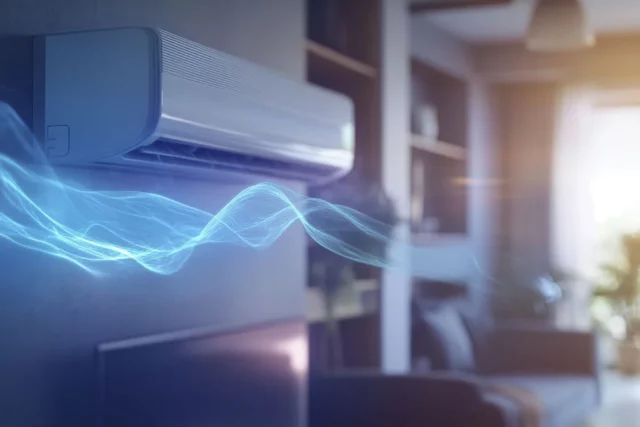
Eine Split-Klimaanlage ist die beliebteste Lösung für Wohnungen, da sie das beste Gleichgewicht zwischen Kühlleistung, Komfort und leisem Betrieb bietet. Sie besteht aus einem Innengerät und einem Außengerät, was bedeutet, dass im Inneren der Wohnung hauptsächlich die leise Luftzufuhr zu hören ist, während sich der lautere Teil der Anlage im Außenbereich befindet. Dies führt in der Regel zu einer höheren Effizienz als bei mobilen Geräten, einer stabileren Temperaturregelung und niedrigeren Betriebskosten.
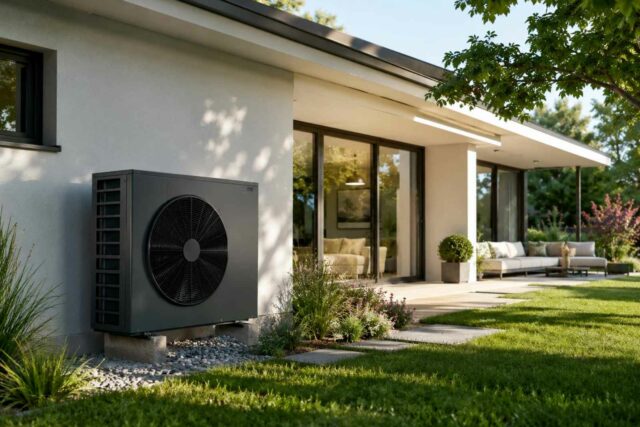
Ein Split-System eignet sich am besten, wenn Sie einen Hauptbereich kühlen möchten, beispielsweise ein Schlafzimmer oder ein Wohnzimmer mit offener Küche. Viele Modelle bieten zudem eine Heizfunktion, die in der Übergangszeit hilfreich sein kann. Der Nachteil ist die Notwendigkeit, ein Außengerät zu installieren – dafür muss ein geeigneter Standort vorhanden sein, wie beispielsweise ein Balkon, eine Loggia, die Fassade oder das Dach, und Aspekte wie Lärm, Ästhetik und Kondensatablauf müssen berücksichtigt werden. Oft ist auch die Genehmigung des Hausverwalters oder der Eigentümergemeinschaft erforderlich, insbesondere wenn die Installation die Fassade oder Gemeinschaftsbereiche des Gebäudes betrifft.
Multi-Split-Klimaanlagen
Ein Multi-Split-System ist eine Option für alle, die mehrere Räume kühlen möchten, beispielsweise in 3- oder 4-Zimmer-Wohnungen oder wenn die Schlafzimmer vom Wohnzimmer getrennt sind. Das System verfügt über ein Außengerät und mehrere Innengeräte, beispielsweise eines im Wohnzimmer und weitere in den Schlafzimmern. Dies erleichtert es, in verschiedenen Bereichen der Wohnung für angenehme Temperaturen zu sorgen und in einzelnen Räumen unterschiedliche Temperaturen einzustellen. Der Vorteil liegt in der Ästhetik – draußen ist nur ein Gerät zu sehen –, doch man sollte bedenken, dass ein Multi-Split-System in der Regel deutlich teurer ist als ein Einzel-Split-Gerät. Die Installation erfordert eine sorgfältige Planung, da die Kältemittelleitungen mehrere Räume erreichen müssen; je länger und komplexer die Leitungswege sind, desto wichtiger wird die Qualität der Installation.
Auch die Leistungsverteilung spielt eine wichtige Rolle: Das Außengerät verfügt nur über eine begrenzte Leistung, und wenn mehrere Innengeräte gleichzeitig auf hoher Stufe laufen, muss das System die Leistung auf die einzelnen Räume verteilen. Aus diesem Grund sollte bei der Auswahl einer Multi-Split-Klimaanlage nicht nur die Wohnfläche berücksichtigt werden, sondern auch die Nutzung der Wohnung – ob Sie alle Räume gleichzeitig kühlen oder tagsüber hauptsächlich das Wohnzimmer und abends die Schlafzimmer.
Kanalsystem
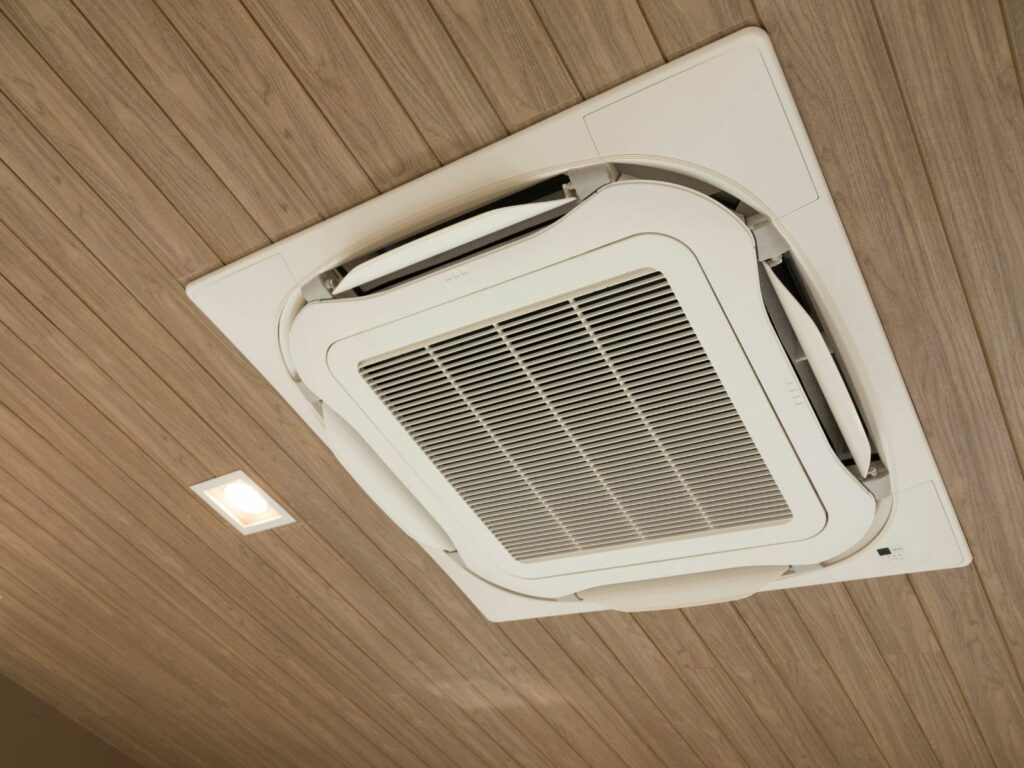
Eine Kanalklimaanlage ist eine stärker in den Raum integrierte Form der Klimatisierung. Kühle Luft wird über Kanäle in mehrere Räume verteilt und über unauffällige Lüftungsgitter zugeführt. Es handelt sich um eine hervorragende Lösung, die jedoch am besten bereits in der Planungsphase berücksichtigt wird. Diese Art der Klimatisierung erfordert beträchtlichen Einbauraum – in der Regel eine abgehängte Decke oder einen anderen Raum, in dem die Kanäle und das Gerät verborgen werden können. Sie eignet sich besonders gut, wenn Ästhetik und eine gleichmäßige Verteilung der kühlen Luft im Vordergrund stehen.
Die richtige Leistung der Klimaanlage für eine Wohnung auswählen
Die Auswahl der Leistung einer Klimaanlage allein anhand der Grundfläche ist ein häufiger Grund für Enttäuschungen, da sich die Kühlwirkung bei gleicher Grundfläche je nach Etage, Verglasung, Ausrichtung, Sonneneinstrahlung und Wärmedämmung stark unterscheiden kann. Auch die Bewohner und alltägliche Wärmequellen wie Kochen und Elektrogeräte spielen eine Rolle. Wichtig ist, dass eine höhere Leistung nicht immer die bessere Lösung ist: Eine überdimensionierte Klimaanlage arbeitet oft in kurzen Start-Stopp-Zyklen, was den Komfort in Bezug auf Temperaturstabilität und gefühlte Luftfeuchtigkeit mindert. Diese Art des Betriebs kann zudem lauter sein, da häufiges Ein- und Ausschalten sowie Änderungen der Lüftergeschwindigkeit stärker wahrnehmbar sind. Deshalb sollte die Klimaanlage entsprechend den tatsächlichen Gegebenheiten und dem Lebensstil der Wohnung ausgewählt werden, nicht nur anhand ihrer Fläche.
Das könnte Ihnen auch gefallen: Bei Weihnachtsreisen Strom und Heizkosten sparen: Einfache Tipps
Drei typische Wohnungen und ein typisches Haus – ein orientierender Ansatz
Im Folgenden finden Sie einen orientierenden Leitfaden, der Ihnen bei der Auswahl einer Klimaanlage als Anhaltspunkt dienen kann. Es handelt sich hierbei nicht um starre Vorgaben, da Sonneneinstrahlung, Verglasung, Etage und Wärmedämmung letztlich ausschlaggebend sind; dennoch bieten diese Zahlen eine gute Grundlage für das Gespräch mit einem Installateur.
Studio / Einzimmerwohnung, 30–45 m² – in der Regel ist eine Split-Klimaanlage mit 2,5–3,5 kW geeignet; bei offenem Grundriss reicht meist ein Gerät im Hauptraum aus.
Wohnung, 50–70 m² – Meistens wird ein Split-System mit 3,5–5,0 kW gewählt, wenn hauptsächlich das Wohnzimmer gekühlt werden soll, oder ein kleines Multi-Split-System, z. B. für Wohnzimmer und Schlafzimmer, wenn Komfort in zwei Räumen wichtig ist.
Wohnung, 80–100 m² – oft ist ein Multi-Split-System mit 2–3 Geräten die beste Wahl; die Gesamtleistung liegt in der Regel zwischen 5,0 und 8,0 kW, je nach Raumaufteilung und Sonneneinstrahlung.
Einfamilienhaus, 120–160 m² – meist wird bei einer größeren Renovierung ein Multi-Split-System mit 3–5 Einheiten oder eine Kanalklimaanlage in Betracht gezogen; die Gesamtleistung liegt in der Regel im Bereich von 8,0–12 kW, wobei die Unterschiede bei Einfamilienhäusern stark von der Wärmedämmung und der Größe der Fensterflächen abhängen.

Wie hilft Voltmax bei der Auswahl und Installation einer Klimaanlage in einer Wohnung?
Voltmax wählt die Klimaanlage entsprechend der jeweiligen Wohnung und Ihrer tatsächlichen Nutzung aus. Wir prüfen die Raumaufteilung und ermitteln, wo Sie bei heißem Wetter den größten Komfort wünschen, beispielsweise tagsüber im Wohnzimmer und abends im Schlafzimmer. Anschließend schlagen wir Ihnen die sinnvollsten Optionen vor: Split-, Multi-Split-Anlagen oder – falls die Installation eines Außengeräts schwierig ist – alternative Lösungen.
Gleichzeitig prüfen wir, wie die Installation ordnungsgemäß durchgeführt werden kann. Wir schlagen den Standort des Außengeräts und den Verlauf der Installation so vor, dass diese ästhetisch ansprechend, sicher und im täglichen Gebrauch problemlos ist. Wir berücksichtigen auch praktische Aspekte, die meist erst im Nachhinein auffallen: Lärm, Vibrationen, Kondensatablauf und Wartungszugang. Wenn für das Gebäude Vorschriften bezüglich der Installation an der Fassade oder in Gemeinschaftsbereichen gelten, lohnt es sich, die Genehmigung vorab beim Hausverwalter oder der Eigentümergemeinschaft einzuholen. Wir beraten Sie gerne, was in der Regel vorbereitet werden muss, um den Ablauf so reibungslos wie möglich zu gestalten.
Schließlich wählen wir die Leistung und Konfiguration entsprechend den Gegebenheiten der Wohnung aus, darunter Sonneneinstrahlung, Verglasung, Etage, Wärmedämmung und Anzahl der Zimmer, um eine Überdimensionierung und unnötige Start-Stopp-Zyklen zu vermeiden. Sind Sie interessiert? Kontaktieren Sie uns. Wir erstellen 2–3 Installationsvorschläge für Ihre Wohnung, die sowohl hinsichtlich der Kosten als auch der technischen Machbarkeit optimiert sind.
Literaturempfehlungen: Nachbarfreundliche Wärmepumpen – Geräusche, Vibrationen und Aufstellung