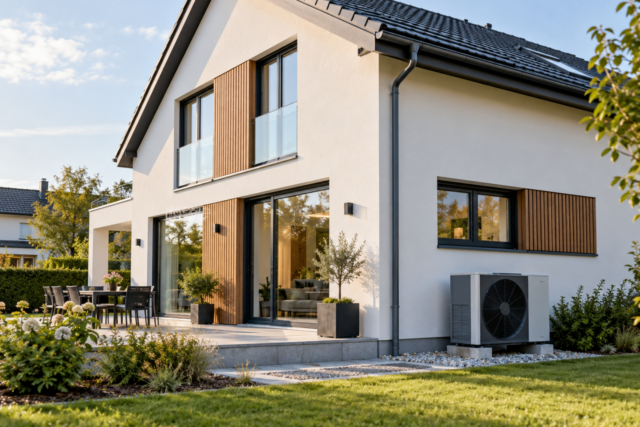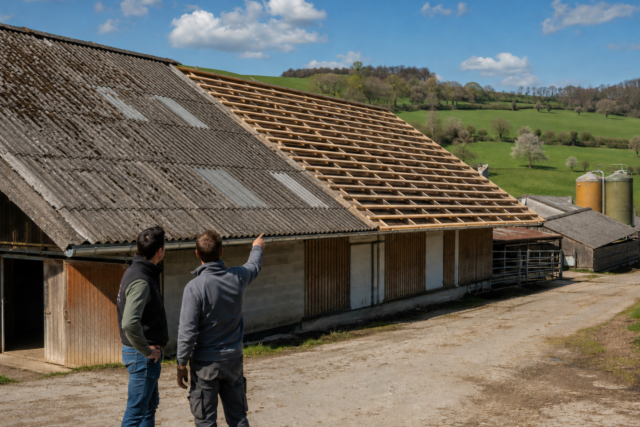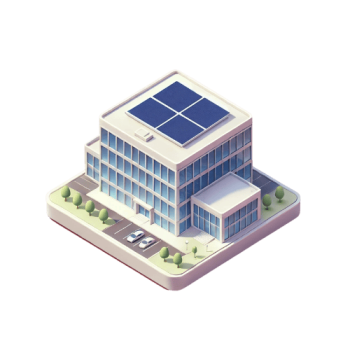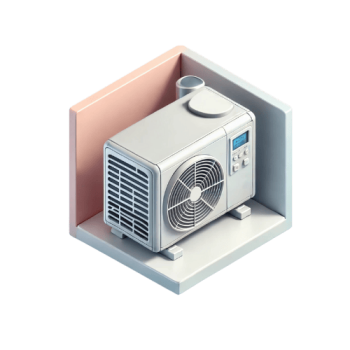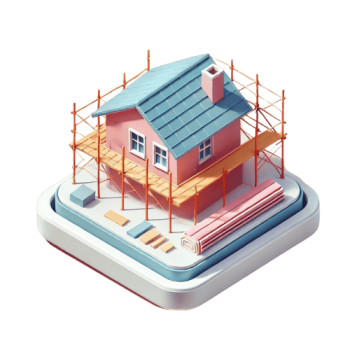
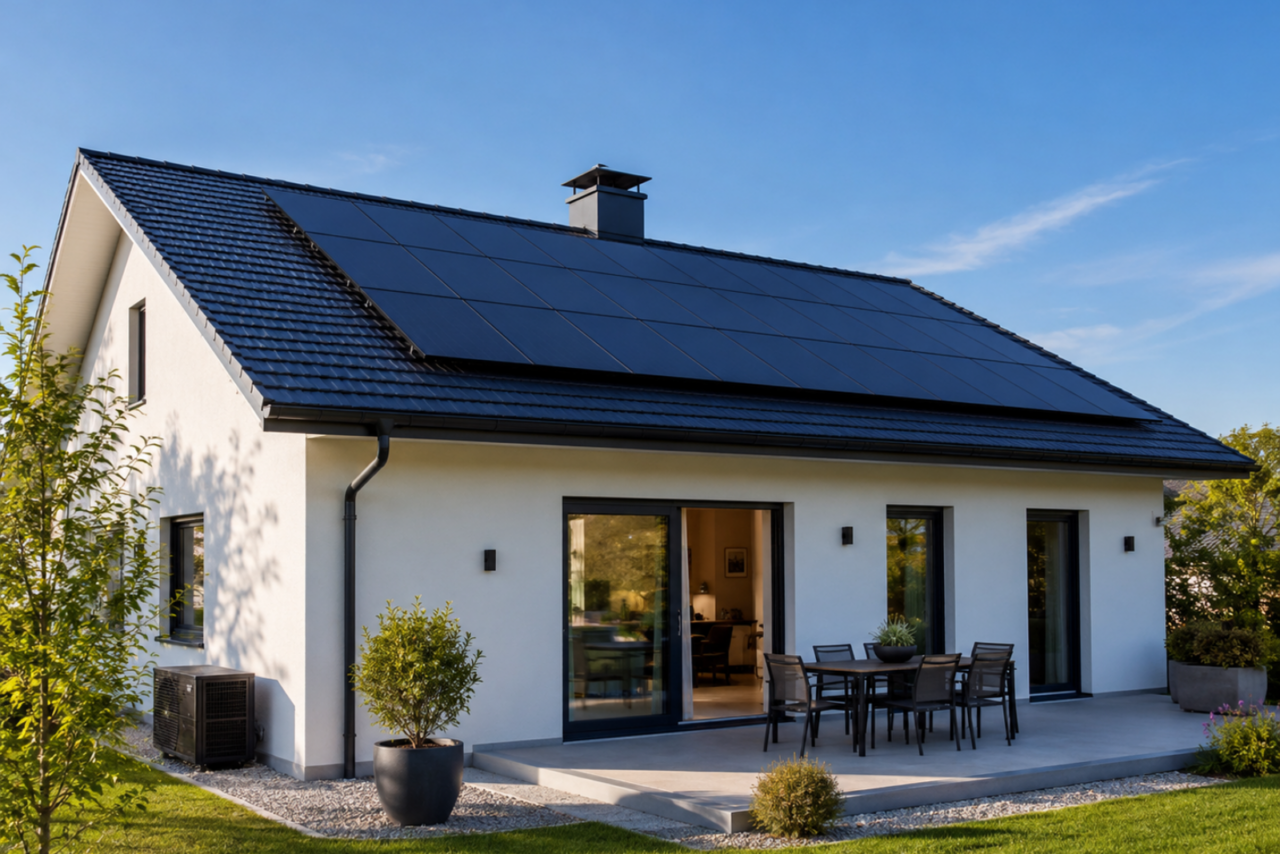

A photovoltaic installation can be planned either before a building undergoes thermal modernisation or after the work has been completed. There is no single sequence that is suitable for every property, as the decision depends on several factors: the condition of the roof, the quality of the insulation, the heating system and any planned changes in energy consumption. Thermal modernisation of a house should be approached differently from the modernisation of a barn, warehouse or other farm building. Before starting the investment, it is therefore worth determining whether any roof renovation, insulation work, replacement of the heating source or installation of additional equipment is planned in the near future. Such an analysis – and, in more complex cases, an energy audit before installing photovoltaic panels – makes it easier to define the scope of work and correctly size the photovoltaic system after thermal modernisation.
Table of contents
ToggleIs thermal modernisation necessary before installing photovoltaics?
Not every building needs to undergo comprehensive modernisation before photovoltaic panels are installed. A PV system can also be installed earlier, provided that the condition of the roof, the planned renovation work and the building’s future energy demand are known. This is particularly important when insulation work, roof joinery replacement, heating system modernisation or the installation of a heat pump is planned for the coming years.
Thermal modernisation and photovoltaics serve different purposes. Thermal modernisation reduces energy losses and improves the comfort of using the building, while photovoltaics generate electricity. The best results are achieved when both processes are properly coordinated, allowing the photovoltaic installation to be used as effectively as possible.
How does thermal modernisation affect photovoltaic system sizing?
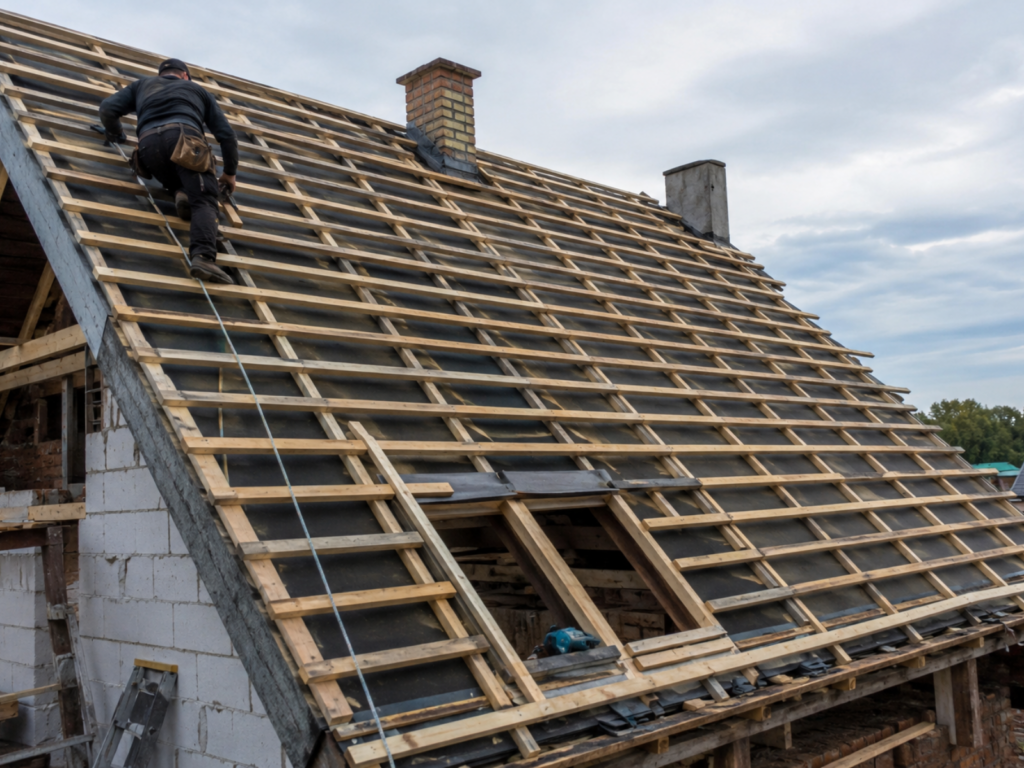
Thermal modernisation can change a building’s energy demand, which is why the capacity of a photovoltaic installation should not be selected solely on the basis of current electricity bills. After insulating the walls or roof, or replacing windows and doors, the amount of electricity used for heating may decrease. On the other hand, the subsequent installation of a heat pump, air conditioning or mechanical ventilation may increase electricity demand.
For this reason, a PV installation should be designed with the building’s future use in mind. This makes it possible to match the system capacity more accurately to actual needs after the planned work has been completed and reduces the risk of undersizing or oversizing the installation.
What should come first - thermal modernisation or photovoltaics?
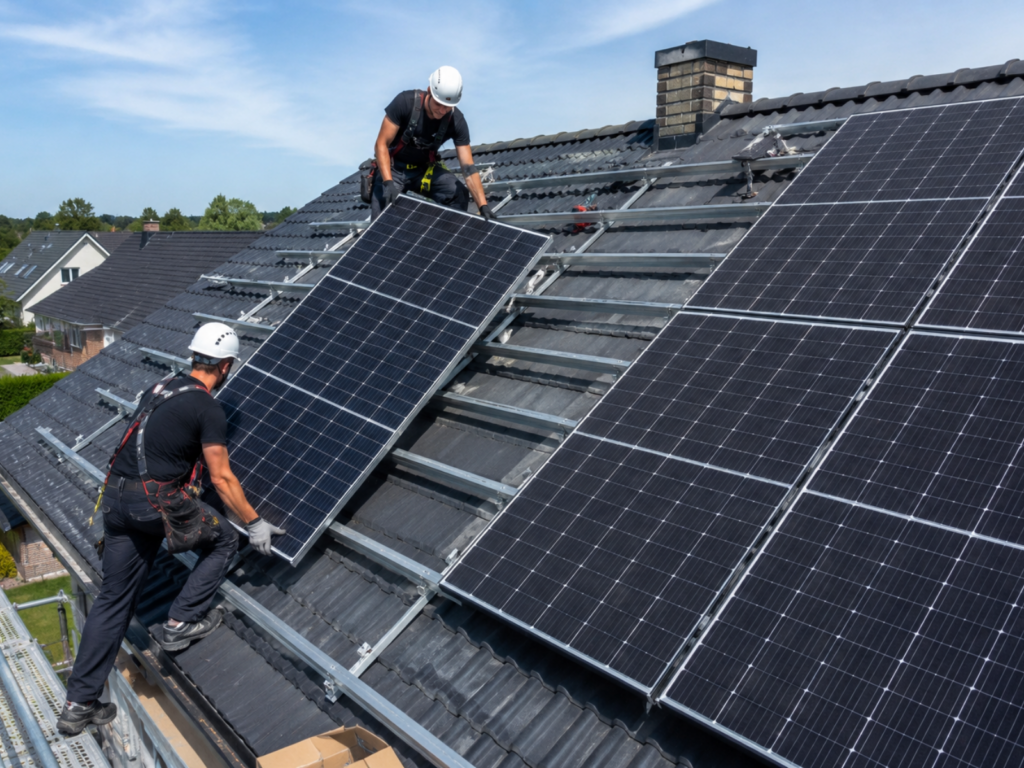
There is no single correct sequence of work that is suitable for every building. The decision should depend primarily on the condition of the roof, the scope of the planned modernisation and the building’s future energy demand.
Thermal modernisation first
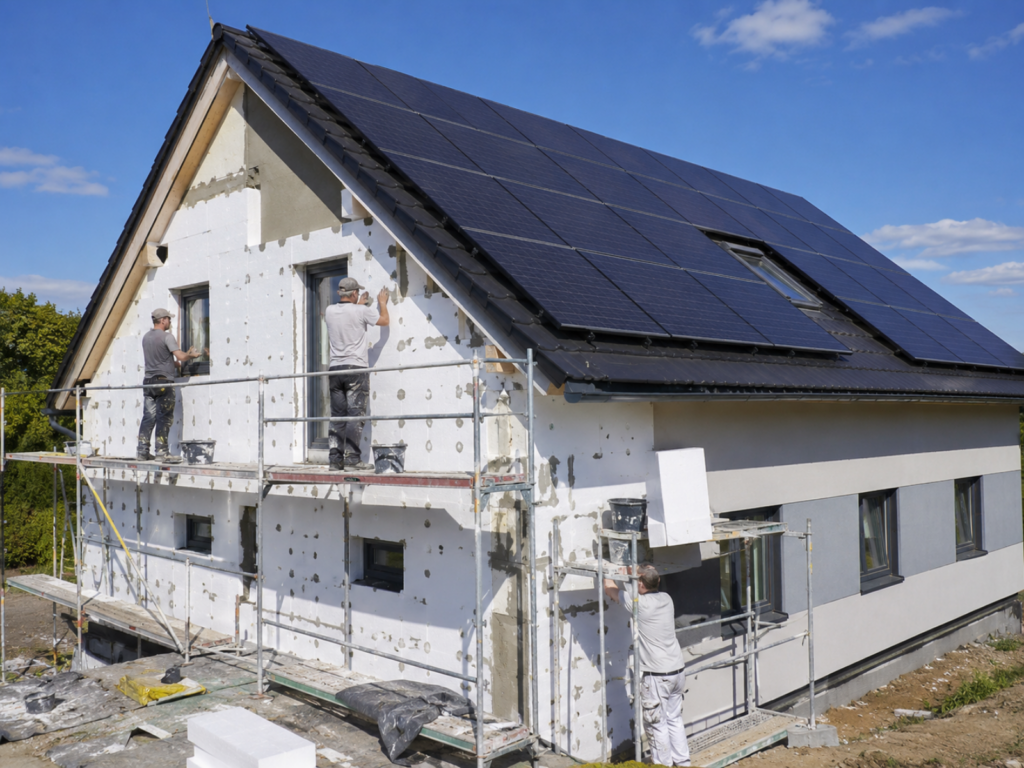
This sequence is particularly advisable when the building is already heated using electrical equipment such as a heat pump, electric heating mats or air conditioning with a heating function. Insulating the building, renovating the roof or replacing windows and doors first reduces energy demand, after which the photovoltaic installation can be sized according to the building’s actual long-term electricity consumption.
Photovoltaics first
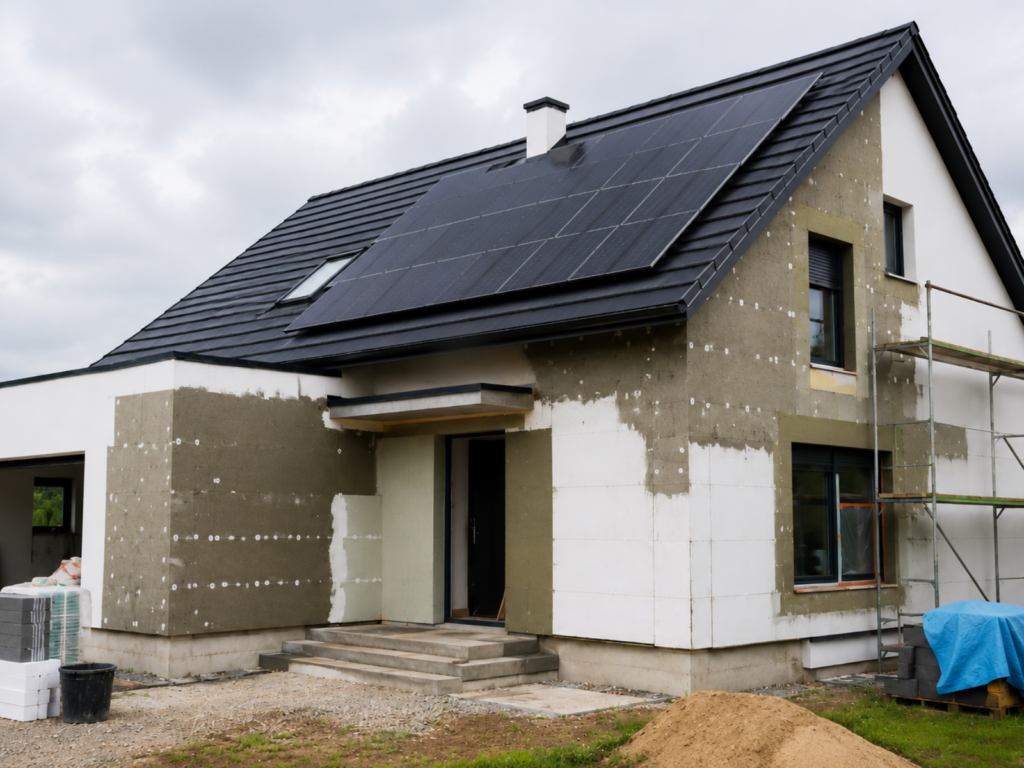
Installing a photovoltaic system may be the first stage if the roof is in good condition and no major thermal modernisation work is currently planned. When sizing the installation, however, future changes should be taken into account, especially a planned switch to electric heating, such as a heat pump, electric heating mats or air conditioning. This helps avoid a situation in which the PV installation proves too small once electricity consumption increases.
Both investments planned together
Planning thermal modernisation and photovoltaics together makes it possible to properly coordinate work involving the roof, insulation, heating system and electrical installation. This does not mean that all work has to be carried out at the same time. Individual stages can be spread over time, while maintaining the correct sequence and matching the photovoltaic installation to the building’s future energy demand.
How does Voltmax combine thermal modernisation with photovoltaics?
Voltmax assesses a building from a broader perspective than simply the available surface area for photovoltaic panels. We take into account, among other things, the condition of the roof, the level of insulation, the heating system, current energy consumption and planned changes such as the installation of a heat pump or air conditioning, or the replacement of windows and doors.
This allows thermal modernisation and photovoltaics to be planned as one coherent process, even if the individual stages are carried out over time. It makes it possible to better match the scope of the modernisation, the capacity of the PV installation and the sequence of work to the building’s actual needs.