
Replacing an oil boiler with a heat pump makes it possible to move away from fuel oil heating, but in older homes the process requires proper preparation. The condition of the building and the capabilities of the existing heating system are particularly important. Some components can remain in use, while others may need to be adapted to work with the new heat source. The removal of the boiler and oil tank also needs to be planned, along with any formal requirements that apply in Luxembourg. What does such a modernisation involve and what should be checked before the work begins?
Table of contents
ToggleCan an oil boiler be replaced with a heat pump in every home?
Heat pumps can effectively heat older buildings as well, including homes equipped with traditional radiators. Whether such a modernisation is suitable depends, however, on the building’s heat losses and the water temperature required to heat the rooms. The higher the required flow temperature, the more difficult it becomes to achieve high heat pump efficiency.
When assessing the building, factors such as its floor area, wall and roof insulation, the condition of the windows and the existing heating system are taken into account. The parameters of the current heating installation are equally important. For example, in a home with large radiators, a new heat pump may be able to work with the existing heat distribution system. In another building, some radiators may need to be replaced or the insulation improved. The final decision should be based on calculations of the building’s heating demand rather than solely on previous oil consumption.
Does the house need to be insulated before installing a heat pump?
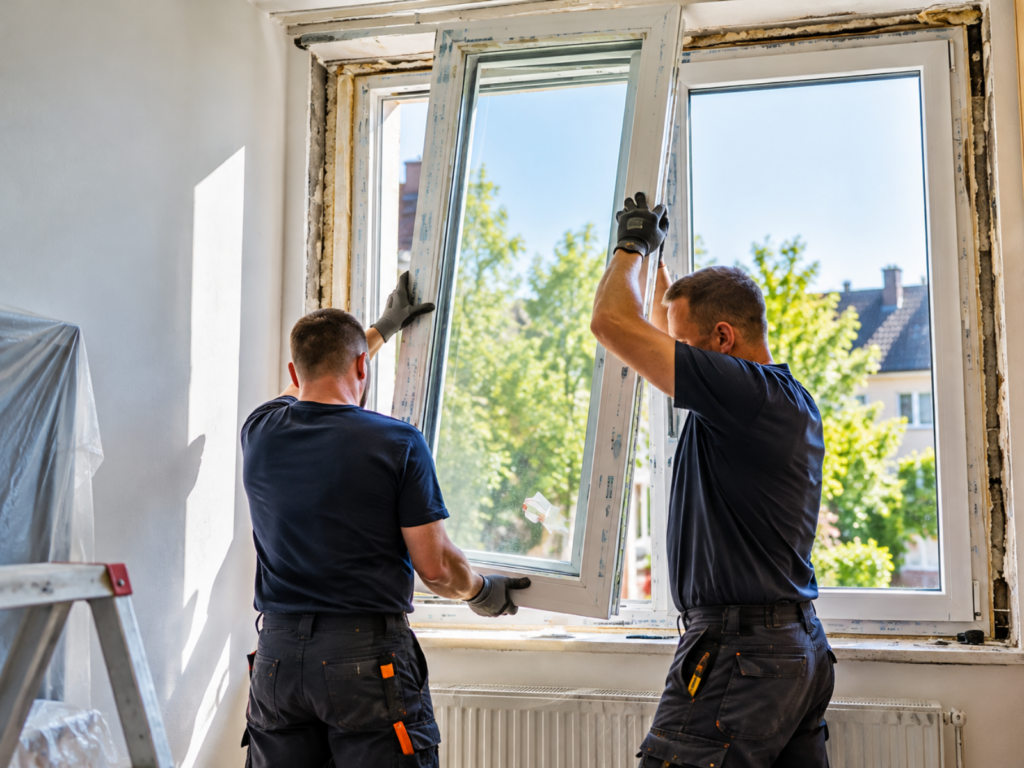
A full thermal renovation is not a requirement for installing a heat pump. However, if the building has high heat losses, improving wall or roof insulation or replacing draughty windows can significantly reduce the heating demand. This may make it possible to install a lower-capacity heat pump and reduce its subsequent electricity consumption.
If the owner is planning to insulate the house in the near future, it is best to take this into account before selecting the heat pump. A unit sized for the building’s current heating demand may become oversized once the thermal renovation has been completed. It is therefore worth planning the sequence of work and estimating the home’s heating requirements after the planned improvements.
How should the existing heating system be prepared for a heat pump?
One of the most important parameters is the flow temperature, meaning the temperature of the water supplied to the radiators or underfloor heating system. In installations with oil boilers, this temperature can be relatively high, while heat pumps operate more efficiently at lower values. It is therefore necessary to check whether the existing radiators will be able to heat the rooms effectively at the operating temperatures planned for the new system.
It is worth remembering that radiator output decreases as the water temperature is reduced. A radiator that heated a room effectively with a flow temperature of 65°C may provide too little heat at 45°C. One solution may be to install a larger radiator or a model with a higher heat output. It is not always necessary to replace every radiator – often only selected rooms require changes.
Pipes, circulation pumps, valves and the domestic hot water system should also be inspected. The installer should assess the condition of these components and then determine what changes are required. In a well-maintained system, the scope of the modernisation may be limited mainly to the boiler room and a few selected elements of the installation.
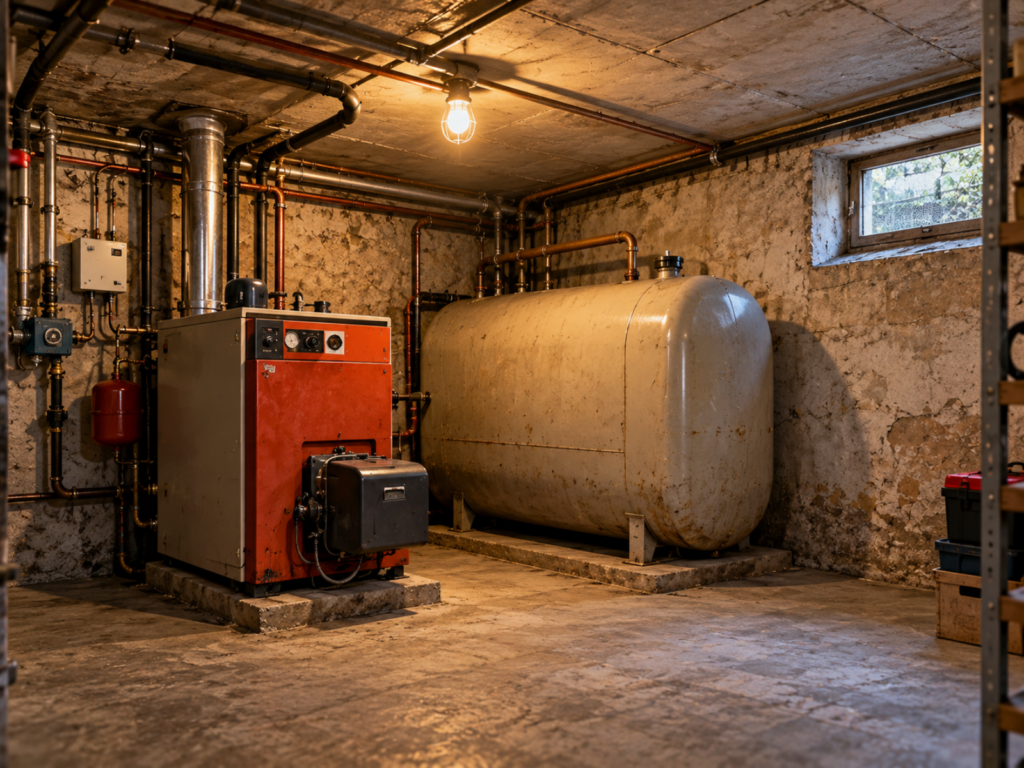
How does replacing an oil boiler with a heat pump work step by step?
The process begins with a technical assessment and ends with commissioning and adjustment of the new heating system. The individual stages need to be planned carefully, especially when the house is occupied and requires continuous access to heating and hot water.
1. Assessment of the building and existing heating system
The installer inspects the building, gathers information about the existing heating system and calculates the required heating capacity. It is useful to prepare bills or data showing oil consumption from previous seasons. These figures help assess how the heating system has been used, although they are not sufficient on their own to size the heat pump correctly.
At this stage, the heating demand of individual rooms is also determined. This helps identify areas where the existing radiators may not provide sufficient output and makes it possible to define the required scope of work.
2. Selecting the type and capacity of the heat pump
Based on the calculations, a heat pump is selected with a capacity that matches the building’s actual requirements. The capacity of the old oil boiler should not be transferred directly to the new heat pump, as the existing boiler may have been significantly oversized.
Air-to-water heat pumps are often considered for existing homes. A ground source heat pump is also possible, although this requires suitable conditions on the property and usually involves a greater scope of work. The expected electricity consumption, domestic hot water preparation and installation options should also be taken into account when selecting the system.
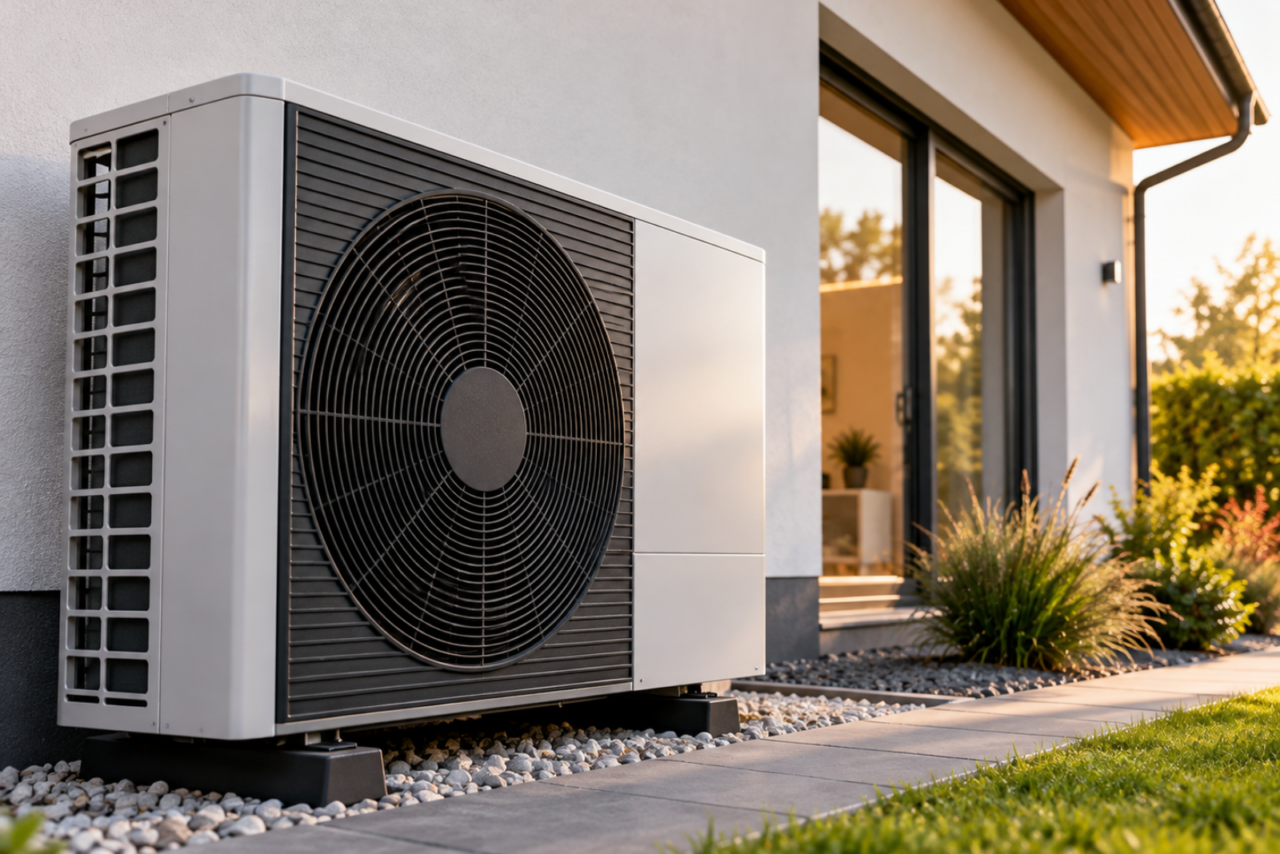
If the heat pump includes an outdoor unit, its location needs to be planned carefully. Adequate airflow, condensate drainage and service access must be provided. The distance from neighbouring buildings and the level of noise emitted by the unit are also important considerations.
3. Preparing the heating system
Once the heat pump has been selected, the existing heating system can be adapted. The work may include replacing selected radiators, modifying pipework and valves, installing a new domestic hot water cylinder and preparing the necessary system protection. Depending on the design of the installation, a buffer tank may also be required.
The electrical supply is a separate consideration. Before installation, the available electrical connection, protection devices and the requirements of the selected heat pump should be checked. If the existing electrical installation does not provide suitable conditions, it will need to be upgraded.
4. Shutting down and removing the oil boiler
The existing boiler is disconnected from the heating system, electrical supply and oil supply system. Once the installation has been made safe, the boiler can be dismantled. It is also necessary to decide what should be done with the flue and other components of the old system that will no longer be used.
The timing of the removal should be coordinated with the contractor installing the new heating system. In an occupied home, the interruption to heating and hot water should be kept to the necessary minimum. For this reason, some preparatory work can be completed before the old boiler is finally switched off.
5. Emptying and removing the oil tank
Once oil heating is no longer used, the fuel tank also needs to be dealt with. Any remaining oil and sediment must first be removed, followed by proper cleaning and neutralisation of the tank. What happens to it afterwards depends, among other things, on its construction, location and the applicable requirements.
Work involving oil residues should be carried out by a specialised company. If the tank is being removed completely, it must be dismantled safely and the resulting waste transferred for appropriate disposal or recycling. It is worth keeping documents confirming that these works have been carried out, as they may be required when applying for financial support.
6. Installation, commissioning and adjustment of the heat pump
Once the system has been prepared, the heat pump is installed, the hydraulic and electrical connections are completed and the entire system is commissioned. The installer checks the system for leaks, verifies the operation of the safety devices, checks water flow rates and ensures that all components work together correctly.
An important stage is hydraulic balancing, which involves adjusting the flow rates in the individual heating circuits. This ensures that the correct amount of heat reaches each room without unnecessarily increasing the flow temperature. The heating curve is also configured to determine the water temperature according to outdoor conditions.
Before the system is handed over, the owner should receive instructions on operating the heat pump and adjusting the basic settings. During the first heating season, it is worth monitoring electricity consumption and indoor temperatures. If the system operates too intensively or does not provide sufficient comfort, the settings may need to be adjusted.

What should you remember when replacing oil heating in Luxembourg?
Before starting the modernisation, it is important to check the formal requirements that apply in the municipality where the building is located. Depending on the type of heat pump and where it is installed, a permit may be required. For air-to-water systems with an outdoor unit, Luxembourg’s requirements concerning noise emissions must also be taken into account. After the heat pump has been commissioned, the contractor is also required to register it under the appropriate inspection procedure.
Luxembourg also offers financial support under Klimabonus 2026, including support for the installation of heat pumps in existing buildings. The programme also provides assistance for adapting the heat distribution system and EUR 1,500 towards the removal, neutralisation and recycling of an oil tank, provided that the relevant conditions are met. In the case of the tank, the work must be confirmed by an invoice issued by a specialised company.
The amount of financial support available depends on the type of investment and whether the programme requirements are met. Before ordering the equipment, it is therefore worth checking the current rules, required documents and applicable deadlines. This makes it possible to take potential subsidies into account when planning the overall cost of the modernisation.
How can Voltmax replace an oil heating system with a heat pump?
Are you planning to replace the oil boiler in your home in Luxembourg? Voltmax can help assess the possibilities for modernisation and select a heat pump suited to the building’s requirements. Based on the condition of the existing heating system, it is possible to determine which components can continue to be used and what changes will be required before the new heating system is installed.
The scope of work can include preparing the heating system, installing and commissioning the heat pump and adjusting the entire system. Voltmax can also help coordinate the work involved in removing the existing oil heating system. Contact Voltmax to discuss the technical conditions in your home and determine the possible scope of the modernisation.