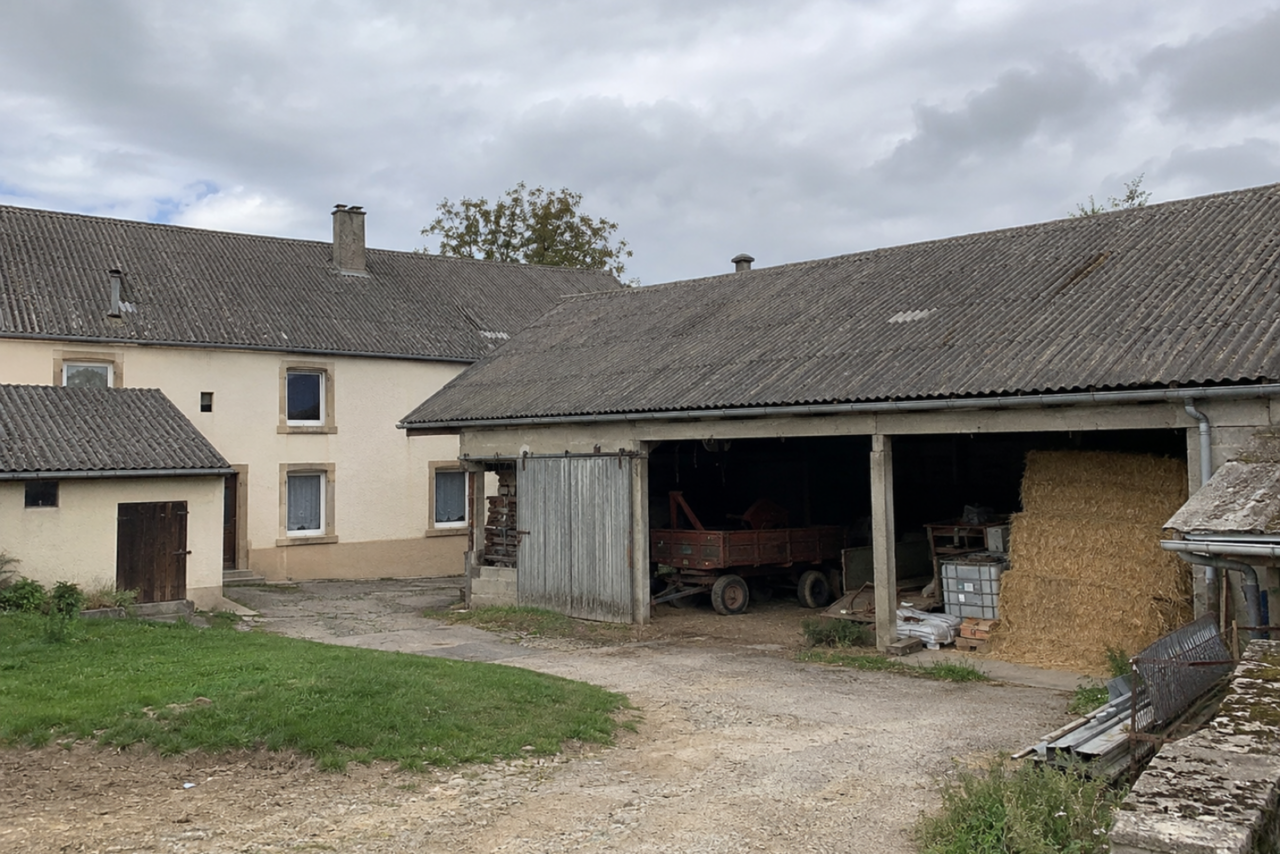

In many agricultural farms, photovoltaic installations have already been operating for quite some time on the roofs of houses, barns, cowsheds, machinery halls, workshops, garages, shelters and other farm buildings. Some of them still generate energy, but they do not always achieve yields that match today’s technological capabilities or the current needs of the farm. Over time, module efficiency, inverter condition, protection quality, technical requirements and the way energy is used in agricultural buildings all change. Replacing an old photovoltaic installation does not always mean dismantling the entire system and installing panels from scratch. In many cases, PV modernisation may be enough: replacing the inverter, improving protections, repairing wiring, expanding the installation or implementing more accurate production monitoring. However, if the system is outdated, prone to failure, no longer suited to current energy consumption or installed on a roof that requires renovation, a complete replacement of the installation may be more justified. For farmers and farm owners in Luxembourg, photovoltaic modernisation is an opportunity to reassess the potential of farm buildings. When larger works are planned, it is worth checking whether the best solution will be new photovoltaic panels on the existing roof, expansion of the current system or a solar roof for the farm. A well-planned replacement makes it possible not only to replace older devices, but above all to better match the PV installation to the farm’s actual operating profile and use the available roof surface more efficiently.
Table of contents
ToggleWhy do old photovoltaic installations on farms need inspection?
Photovoltaic installations are becoming increasingly popular, but some owners of houses and other buildings decided to install them quite some time ago. An old photovoltaic installation on a farm may still work, but that does not mean it performs as well as it should. Photovoltaics are not a completely maintenance-free system throughout their entire operating life. Over the years, the efficiency of panels, the condition of the inverter, the quality of connections, wiring, protections and mounting structure all gradually change. Technical standards and the needs of the farm itself also change.
In the case of farms and agricultural buildings, there are additional factors: dust, dirt, moisture, more demanding roof conditions, seasonal operation of equipment and variable energy consumption throughout the year. An installation mounted several or more than ten years ago may have been well matched to the needs at that time, but today the farm may include different buildings, more equipment or a higher demand for electricity.
That is why an inspection of an old photovoltaic system should cover more than just the panels. It is worth checking production from previous seasons, inverter operation, the condition of cables, connectors, protections, the mounting structure and monitoring. Only after such an assessment is it possible to decide whether a minor modernisation is enough, or whether replacing the old photovoltaic installation with a new, more efficient system will be the better solution.
Old photovoltaics may work, but not always perform well
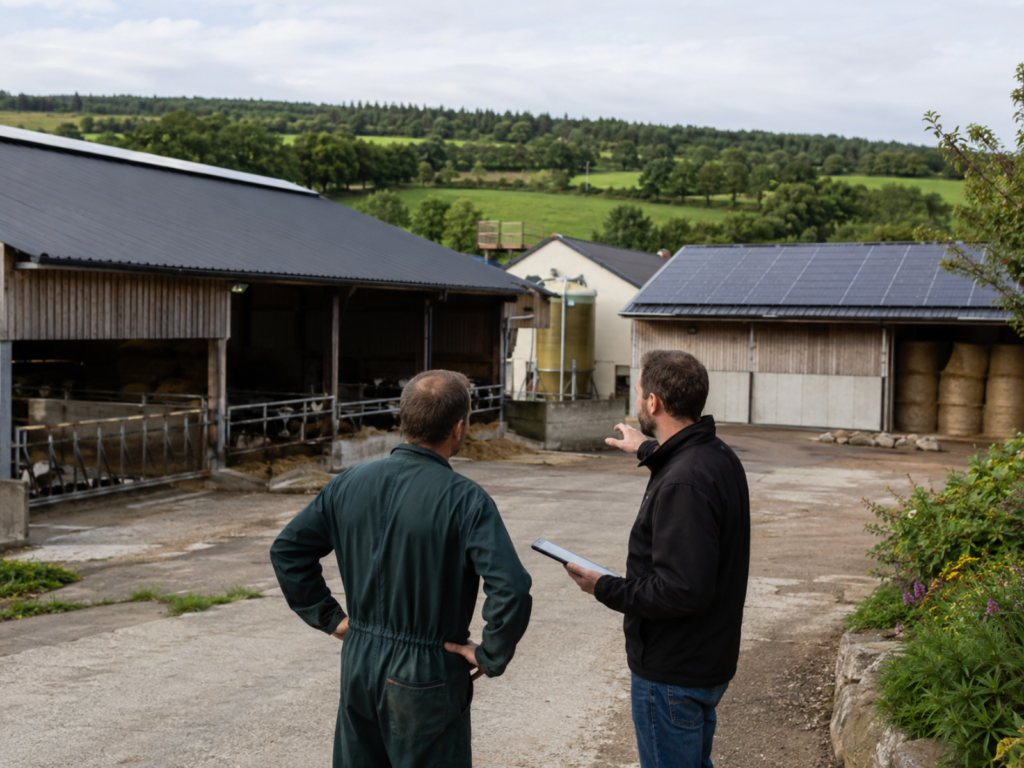
The fact that an old photovoltaic system is still operating does not necessarily mean that it is working optimally. A farmer may see production in an app or on a meter, but the actual yield of the installation may be lower than it was a few years ago. The difference often becomes clear only when comparing data from previous seasons, energy bills and current consumption on the farm. The reason may be the natural decrease in panel efficiency, dirt, micro-damage, weaker inverter performance, wiring issues or shading that did not exist before. That is why, before deciding to replace the panels, it is worth checking the entire installation, not just whether the system still produces electricity.
When is it worth considering replacing photovoltaic panels on a farm?
Replacing photovoltaic panels on a farm makes sense when the installation stops working as it should and maintenance alone does not solve the problem. The point is not to replace panels after a certain number of years simply because they are old. Specific symptoms are more important: a clear drop in production, visible module damage, frequent failures or the inability to repair the system on reasonable terms. A farmer should pay particular attention to situations where energy production is noticeably lower than in previous seasons, despite similar weather conditions. Cracked glass, discolouration, signs of overheating, delamination, damaged frames or modules that perform clearly worse than the rest of the installation may also be warning signs. In older systems, the lack of spare parts and outdated technology can also become a problem, making it difficult to expand the installation or connect it to a newer inverter.
On an agricultural farm, the decision to replace panels should be made after inspecting the entire installation, not only based on the age of the modules. Sometimes replacing the inverter, improving the wiring or upgrading the protections is enough. However, if the panels are damaged, heavily worn, unreliable or no longer meet the farm’s needs, PV modernisation may be a better solution than continuing to maintain the old system.
Do you need to replace the roof when replacing photovoltaics?
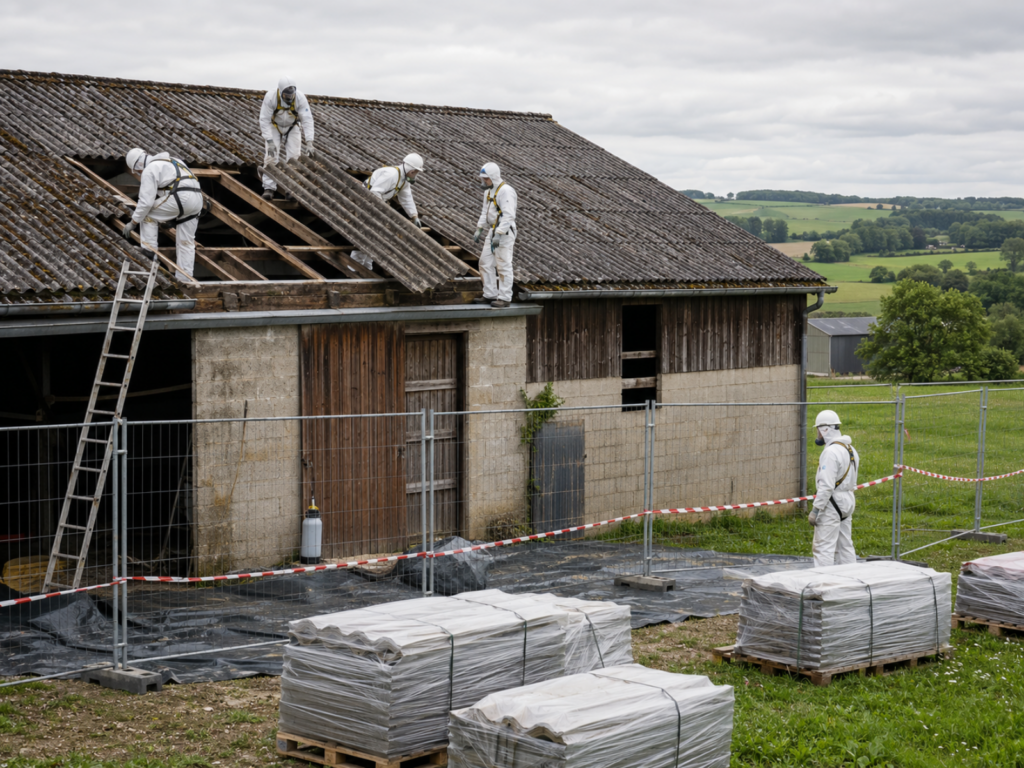
When replacing an old photovoltaic installation, it is first necessary to check whether the roof is still suitable for new panels. Installing a new system on a covering that will require renovation in a few years may mean double costs: dismantling the installation, repairing the roof and reinstalling the PV system. That is why, before modernisation, it is worth assessing the condition of the roof covering, watertightness, structural load-bearing capacity, corrosion of elements, water drainage and service access. On agricultural farms, this applies especially to large roofs on barns, cowsheds, machinery halls and storage buildings. Such surfaces are very well suited to photovoltaics, but they were not always designed for additional loads and many years of PV system operation. If the roof is old, leaking, damaged or contains asbestos, it is better to plan its replacement together with the new photovoltaic system.
Photovoltaics on farm buildings - where should they be installed?
Replacing an old photovoltaic installation is a good opportunity not to copy the previous panel layout one-to-one. The farm may have changed over the years: new buildings or equipment may have been added, work seasons may have changed or energy consumption may have increased. That is why, before installing new photovoltaics, it is worth checking which buildings use the most electricity and at what times energy is needed the most.
Panels can be installed on various farm buildings. However, it is worth remembering that the best roof is not always the largest one. Its technical condition, load-bearing capacity, orientation, shading, service access and distance from the place where the energy will be used all matter. On agricultural farms, electricity from photovoltaics can power, among other things, ventilation, pumps, cold storage, milking machines, lighting, a workshop, office, sorting areas and storage buildings. That is why a new PV installation should be matched to the real operating profile of the farm, not only to the available roof surface. In Luxembourg, this is particularly important because well-planned photovoltaics on farm buildings make it possible to use existing roofs without taking up land.
Solar roof instead of traditional panels - when does it make sense?
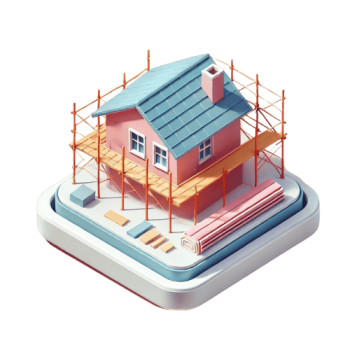
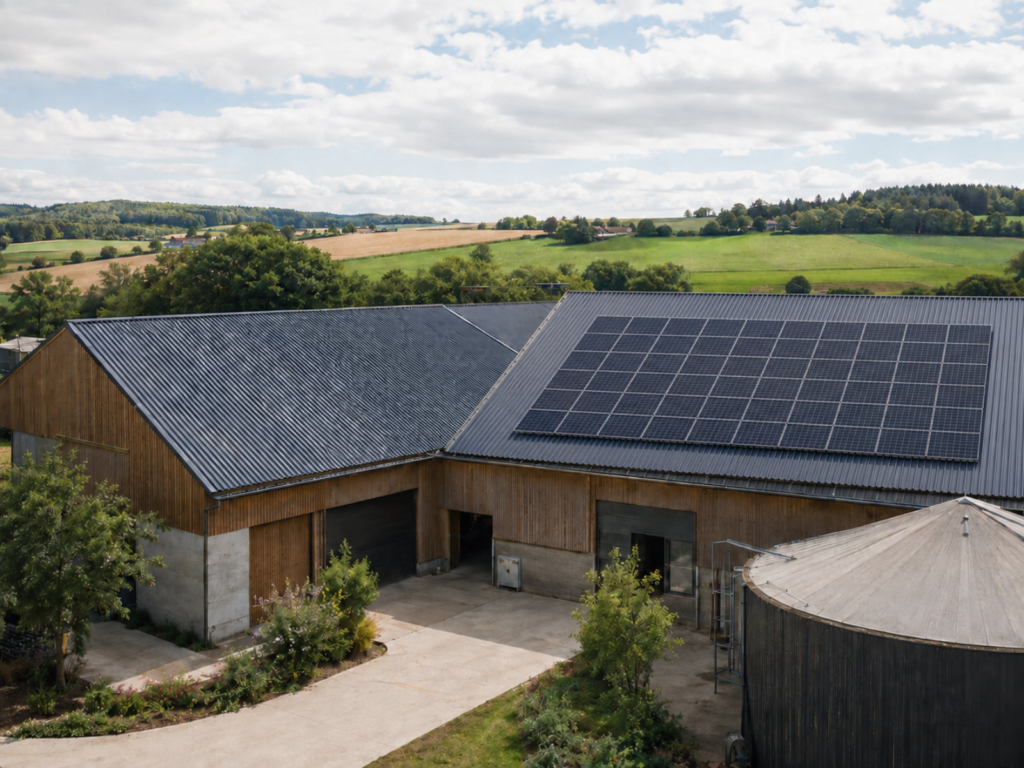
A solar roof can be an alternative to traditional photovoltaic panels mounted on a finished roof covering. In this solution, PV elements are not a separate layer on the roof, but become part of the covering or the building structure. This is particularly interesting for farms that are already planning a larger modernisation: replacing an old roof, rebuilding a barn, renovating a machinery hall or preparing a new farm building.
A solar roof makes the most sense when the current covering is worn, leaking or unsuitable for another PV installation. Instead of ordering a new roof and then adding panels on top of it, an integrated option can be considered. However, this requires a more detailed design, verification of the structure, roof layout, sunlight exposure, costs and actual energy consumption on the farm. Traditional panels will often be the simpler choice if the roof is in good condition and has suitable conditions for installation. However, a solar roof is worth considering when you want to combine roof replacement with new photovoltaics and plan the building for the long term. It is not a solution for every farm, but during a full modernisation it can make the roof a permanent part of the energy production system.
Check out our Energy solutions for farms i Luxembourg.
How does Voltmax help farmers replace old photovoltaics?
Voltmax helps farmers approach the replacement of old photovoltaics as a modernisation of the entire PV system, not just the purchase of new panels. The first step is an inspection of the existing installation: checking production from previous seasons, current energy consumption on the farm and the condition of panels, inverter, wiring, protections and mounting structure. This makes it possible to assess whether the problem lies with the modules themselves, the inverter, connections, monitoring, or simply the fact that the installation no longer meets today’s demand.
On this basis, Voltmax helps select the best scope of work: modernisation of the current system, replacement of panels, replacement of the inverter, expansion of the installation or switching to a solar roof. An important element is also assessing the roof for new photovoltaics, especially on barns, cowsheds, machinery halls, workshops and storage buildings. If the covering is old or technically weak, replacement or preparation of the roof for a new PV installation can be planned.
The entire process also includes safe dismantling of old equipment, collection and responsible handling of used panels, installation of the new system and monitoring configuration. Voltmax also supports farmers with formalities and commissioning of the installation, so that they receive not only new panels, but an efficient, well-organised and properly matched photovoltaic system for their farm in Luxembourg.