
A building-integrated solar roof combined with a home energy storage system is an appealing solution thanks to its aesthetics and the promise of greater control over electricity costs. This type of integration serves two purposes. The first concerns finances – increasing self-consumption, making better use of self-generated energy, and reducing electricity purchases from the grid. The second relates to comfort and independence: greater power supply stability, better home energy management, and – in selected configurations – backup power functionality as well. Find out when combining a solar roof with energy storage in Luxembourg is truly worthwhile, when it may be oversized, and what conditions must be met for the investment to be successfully completed.
Table des matières
ToggleHow Is BIPV Different from Traditional PV Panels?
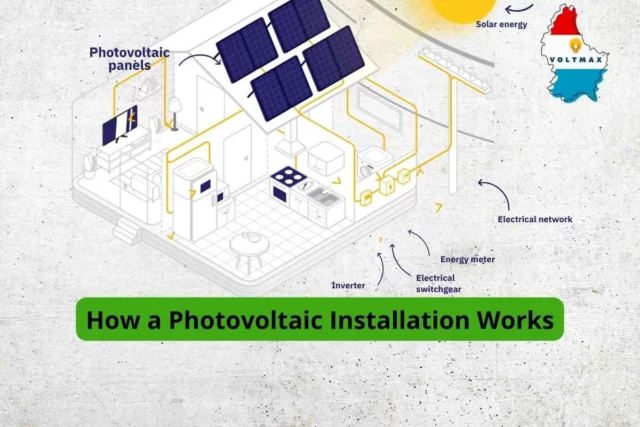
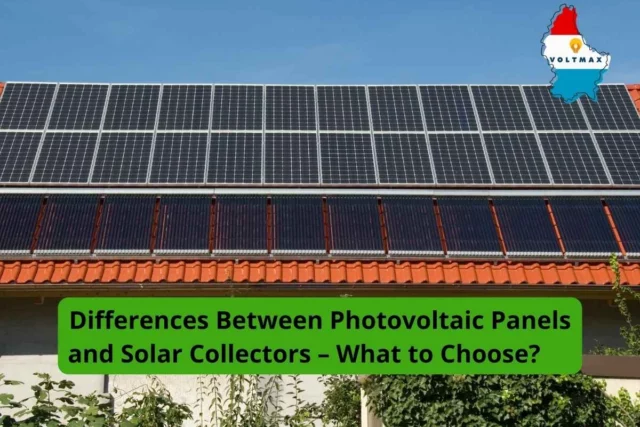
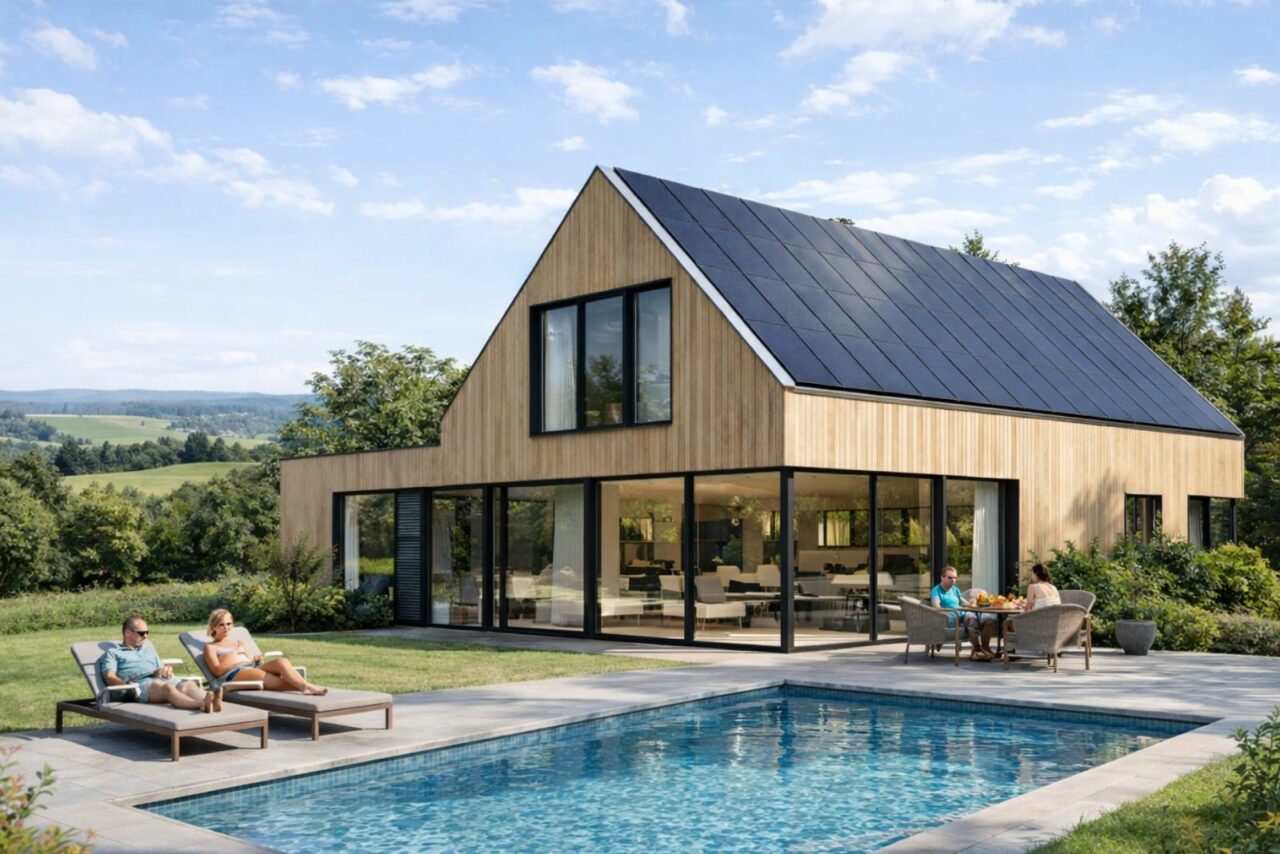
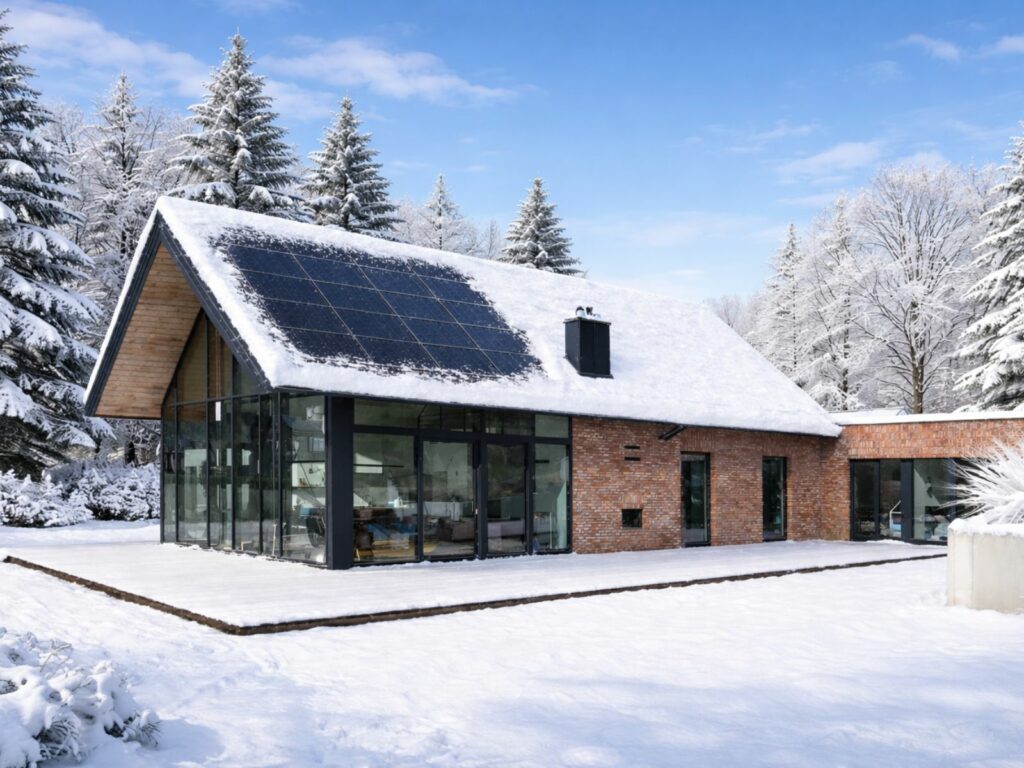
BIPV, or building-integrated photovoltaics, works differently from traditional panels mounted on a finished roof. In a conventional system, the modules are an additional layer installed on top of the existing roofing. In the BIPV model, the photovoltaic element becomes part of the building envelope itself – replacing a section of the roof, roof tiles, or façade. That is why a solar roof is so often chosen where a consistent architectural appearance, design restrictions, or a high finishing standard matter. However, this solution involves higher costs and also requires greater involvement from the building designer. In this case as well, a high standard of workmanship is extremely important. It is necessary to think not only about energy production, but also about airtightness, ventilation, loads, and integration with the entire building structure. For this reason, simple calculations based on price per kWp are not particularly meaningful here. In the case of integrated photovoltaic panels, part of the cost includes construction or finishing materials that are not present in standard PV systems. The economic value of such an investment is therefore not assessed solely by the purchase cost of the installation itself, but from a broader perspective – combining construction, aesthetic, and energy functions in one system.
What Does an Energy Storage System Add to a Photovoltaic Installation?
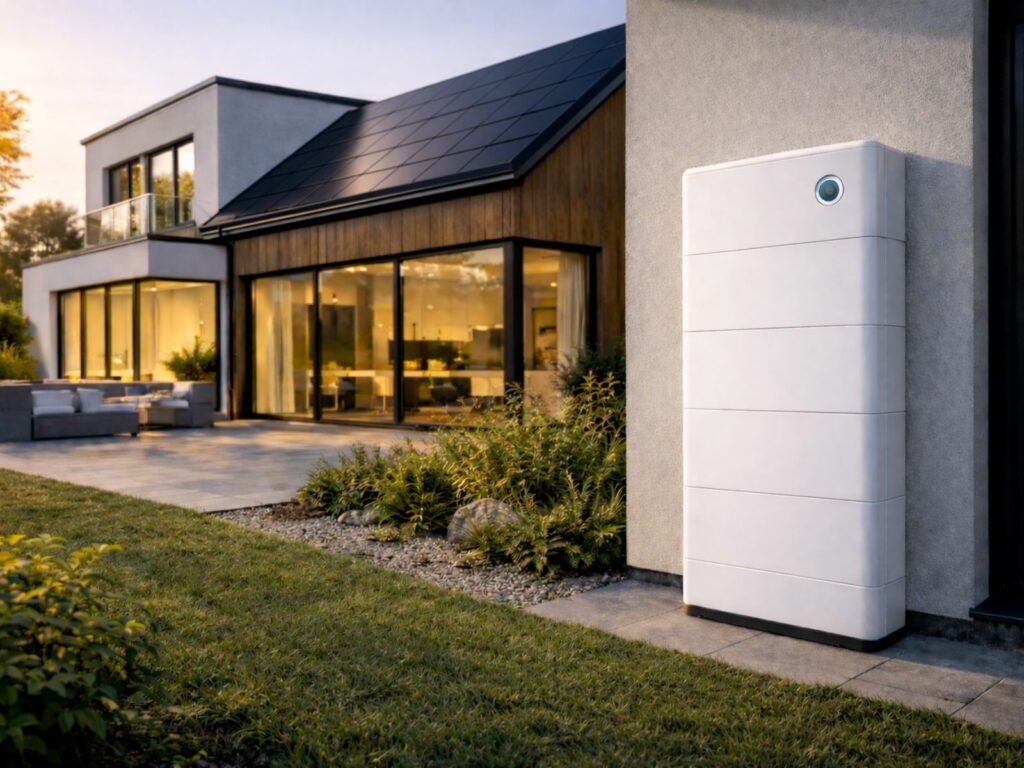
An energy storage system primarily ensures that a larger share of the electricity produced by the photovoltaic installation is used on site instead of being sent to the grid. In practice, this is most important in the morning and evening, when the house still consumes energy but the panels produce much less of it or are no longer operating at all. This is when the battery releases previously stored electricity and increases self-consumption. It is a real help in making better use of the photovoltaic installation’s potential. It is worth remembering, however, that the house does not become self-sufficient – especially in winter. During months with lower solar irradiation, even well-sized panels combined with energy storage are not able to continuously cover the building’s entire demand, particularly if heating, a heat pump, or electric vehicle charging are involved.
Energy storage systems also provide power supply security during an outage. However, it is important to keep in mind that this function usually does not mean full backup power for the entire house without limitations. In practice, the backup system most often covers selected circuits such as lighting, the refrigerator, router, garage door, alarm system, or some outlets. How long the installation will be able to power them depends on the battery capacity, current energy consumption, and the parameters of the entire setup. This type of system works particularly well where even a short power outage is a problem, for example during remote work or in homes with smart home systems.
When Is the Integration of BIPV + Storage Worthwhile?
Integrating BIPV with energy storage is most worthwhile when planning a new roof or a facade renovation, while also aiming to increase self-consumption of the electricity produced. Buildings with predictable energy use in the morning and evening benefit the most, because that is exactly when the battery makes better use of energy from the building’s own installation. The profitability of the investment increases when it can be aligned with available subsidies.
High Home Energy Self-Consumption
High home energy self-consumption is one of the most important conditions for making a BIPV and energy storage combination worthwhile. It works best where the building has constant and predictable electricity consumption, for example due to remote work, all-day ventilation, a heat pump, smart home systems, or installations such as a swimming pool. In such homes, energy from the solar roof is used on an ongoing basis to a greater extent, while storage additionally allows part of the surplus to be shifted to morning, evening, and night hours. As a result, panels combined with energy storage work more efficiently, because a greater share of the electricity produced stays in the house instead of being exported to the grid.
Heat Pump and Smart Control
Combining energy storage with a heat pump and smart control usually produces better results than a battery operating alone without a clear consumption strategy. What matters here is not only the ability to store surpluses, but also the deliberate shifting of part of the electricity demand to times when the installation generates the most energy. In practice, this may mean, for example, heating domestic hot water during the day, changing the operating schedule of selected appliances, or improving the cooperation between the heat pump and the PV generation profile. This allows the house to consume more of its own energy directly or at a well-planned time, while the storage system plays a supporting role instead of being the sole optimization tool. It is precisely this combination of technology and control that most often determines whether the entire system will be merely modern or actually cost-effective.
Electric Vehicle or EV Readiness
Purchasing an electric vehicle, or even simply preparing the house for future EV charging, can significantly improve the value of investing in BIPV and energy storage. The car increases the building’s total electricity consumption, creating more opportunities to use energy produced on site instead of feeding it into the grid. If electric vehicle charging can be partially scheduled during hours of peak production or integrated with smart control, the whole system operates much more efficiently. The storage system can then supplement the energy available after sunset, but its greatest value appears when it works together with a well-configured charging profile.
Grid Connection and Technical Requirements
Energy storage is part of a complete system that must be properly designed and integrated with both the photovoltaic installation and the grid. In practice, this means the need to match the inverter configuration, protections, backup operation mode, and the technical parameters of the entire system. Connection documentation is also important, because with a battery it is necessary to take into account not only its capacity, but also the way the installation interacts with the grid and the conditions of its operation. That is why the profitability of such a solution depends not only on the price of the equipment, but also on proper technical and formal preparation. The entire installation must comply with the requirements of the grid operator, because only then will the system operate safely, legally, and in accordance with the design assumptions.
Aesthetics and Formalities – When the Municipality May Matter
In the case of BIPV, aesthetics are very often linked to formal requirements, because integrated photovoltaic panels directly affect the appearance of the roof or façade. In Luxembourg, it is at the municipal level that one must check whether the planned work requires approval, a works declaration, or additional requirements resulting from the local RBVS, that is, the regulations concerning buildings, public roads, and the appearance of structures. Before installation, it is necessary to contact the municipal administration and verify local building requirements, and the procedure may be particularly sensitive in the case of changes to the building’s silhouette, façade, or in areas subject to specific restrictions. Therefore, if you decide to install a solar roof or a BIPV façade, it is best to check the rules applicable in the specific municipality in Luxembourg. Only after confirmation should you choose a system tailored to the desired visual effect.
How to Size the Installation - Without Oversizing and Without Disappointment
The size of the installation should primarily be matched to the actual annual energy consumption and the way the house uses electricity throughout the day. It is a mistake to size the installation solely according to the maximum available roof area. In practice, this means that PV or BIPV should correspond not only to the annual energy balance, but also to the consumption profile, because otherwise it is easy to end up with a system that produces a lot of energy but does not operate optimally from an economic point of view. The same applies to the battery: its capacity only makes sense when it matches the amount of energy that can realistically be shifted to the evening, night, and morning, rather than simply looking good on a specification sheet. An oversized storage system does not always improve the project’s economics if the house does not have sufficient demand outside production hours. That is why it is better to choose a properly sized system with a reasonable margin for future needs than to oversize the installation and later be disappointed with the return on investment.
Invest in a Solar Roof with Energy Storage from Voltmax
A well-designed solar roof with energy storage should be tailored to actual electricity consumption. It should also take into account the household’s plans for the coming years. At Voltmax, the starting point is an analysis of your needs, which allows us to easily and effectively assess whether BIPV alone would be the better choice in your case, or whether a BIPV system with a battery would be more appropriate, or perhaps whether a more extensive setup should be selected, including a heat pump or infrastructure for charging an electric vehicle. This way, you can compare different options and choose a system that is technically, economically, and aesthetically justified. Support with formalities, selection of a configuration compliant with the grid operator’s requirements, and verification of local municipal conditions – which can be especially important in the case of BIPV – are equally important. If you would like to find out whether a solar roof with energy storage is suitable for your home or the investment you plan to finance in Luxembourg, contact us. The Voltmax team will carry out a reliable audit and select the installation option that works best in your case. With us, you will make an informed and sound decision.