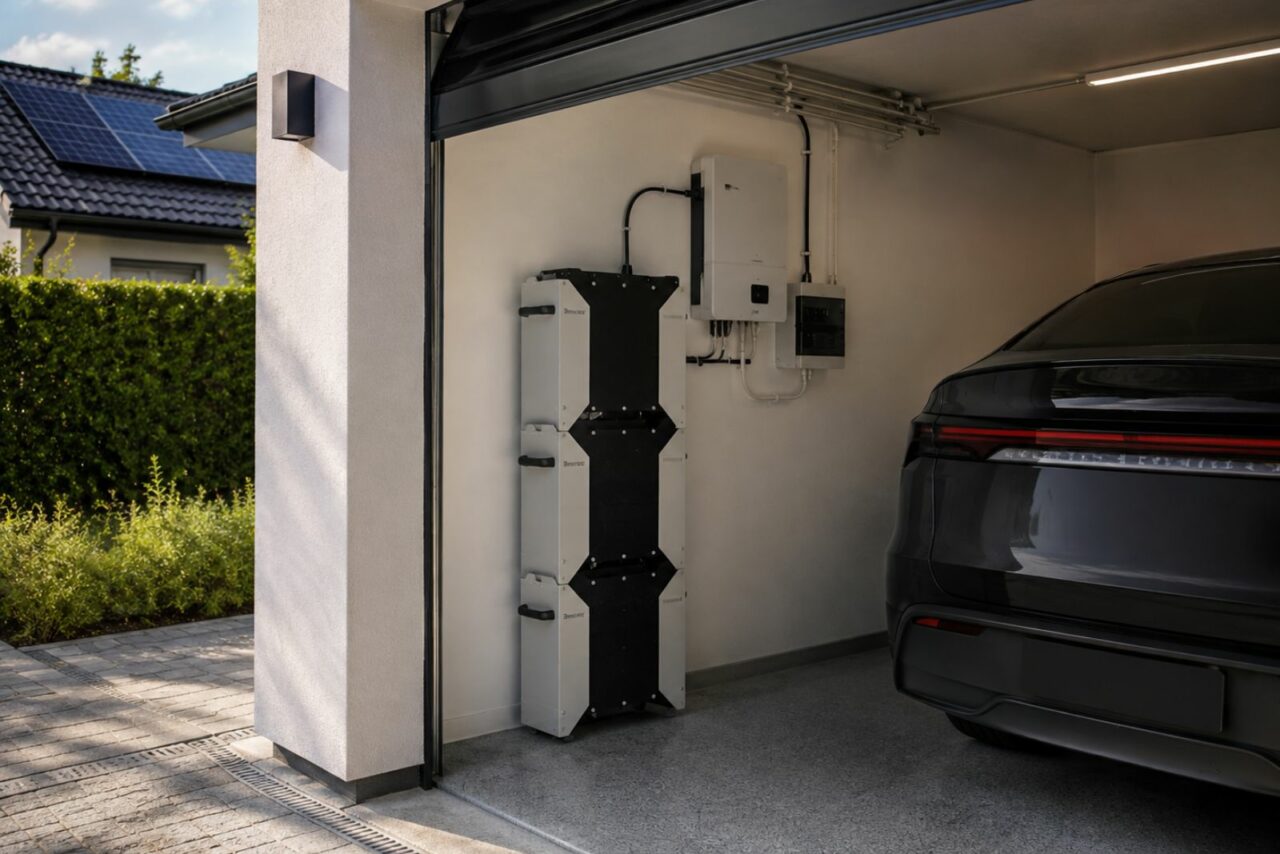

An energy storage system can be added to an existing photovoltaic installation in many cases, which means that expanding a PV system does not necessarily require rebuilding the entire installation from scratch. Such an upgrade can increase the use of self-generated energy, reduce electricity drawn from the grid and, under the right conditions, lead to lower energy bills. An additional benefit may be the possibility of preparing the installation for backup power operation.
However, simply connecting a battery to the existing installation is not always enough. Compatibility with the inverter, the way the entire system operates, the times of highest energy consumption and the cost of the upgrade are also important. In some installations, a relatively simple retrofit solution will be possible, while in others it may be necessary to replace or expand selected components. That is why, before choosing an energy storage system, it is worth checking how the existing photovoltaic installation performs and which upgrade option will be the most appropriate.
Table of contents
ToggleCan an energy storage system be added to an existing photovoltaic installation?
Yes, in most cases an energy storage system can be added to an existing photovoltaic installation. However, this does not mean that every system can be expanded in exactly the same way. The type of inverter currently in use, the way individual components are connected and the existing system configuration are all particularly important.
If the current inverter is designed to work with an energy storage system, the upgrade may be relatively straightforward. In older or standard installations, it may be necessary to install an additional battery inverter or replace the existing unit with a hybrid inverter.
When is an energy storage system for an existing PV installation cost-effective?
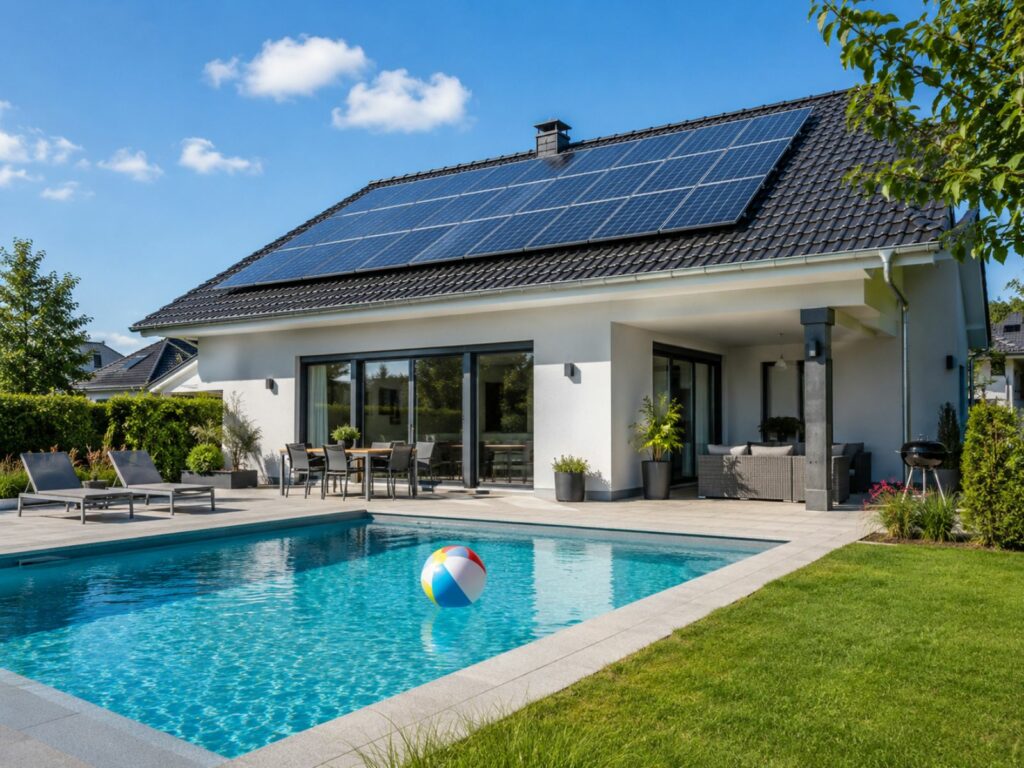
An energy storage system for an existing photovoltaic installation is most likely to be cost-effective when the system regularly produces surplus electricity that cannot be used immediately. This is particularly relevant for households where residents are away during the day and the highest energy consumption occurs in the evening, at night or in the morning. In such cases, electricity produced around midday can be stored and used later instead of being exported to the grid.
The electricity settlement system also matters. Under a net-billing system, an energy storage system can help increase self-consumption and reduce the amount of electricity purchased from the grid, especially during periods when energy is more expensive. The investment may be particularly beneficial in buildings equipped with a heat pump, air conditioning, electric heating or an EV charger, as these devices increase electricity demand and make it easier to use more of the energy generated by the photovoltaic installation.
However, simply having photovoltaic panels does not mean that an energy storage system will always be cost-effective. If most of the generated energy is already consumed directly, surplus production is limited or the cost of upgrading the installation is high, the economic benefit may be much smaller. That is why, before purchasing a battery, it is worth analysing the actual energy production and consumption profile rather than relying solely on the installed PV capacity.
What should be checked before choosing an energy storage system?
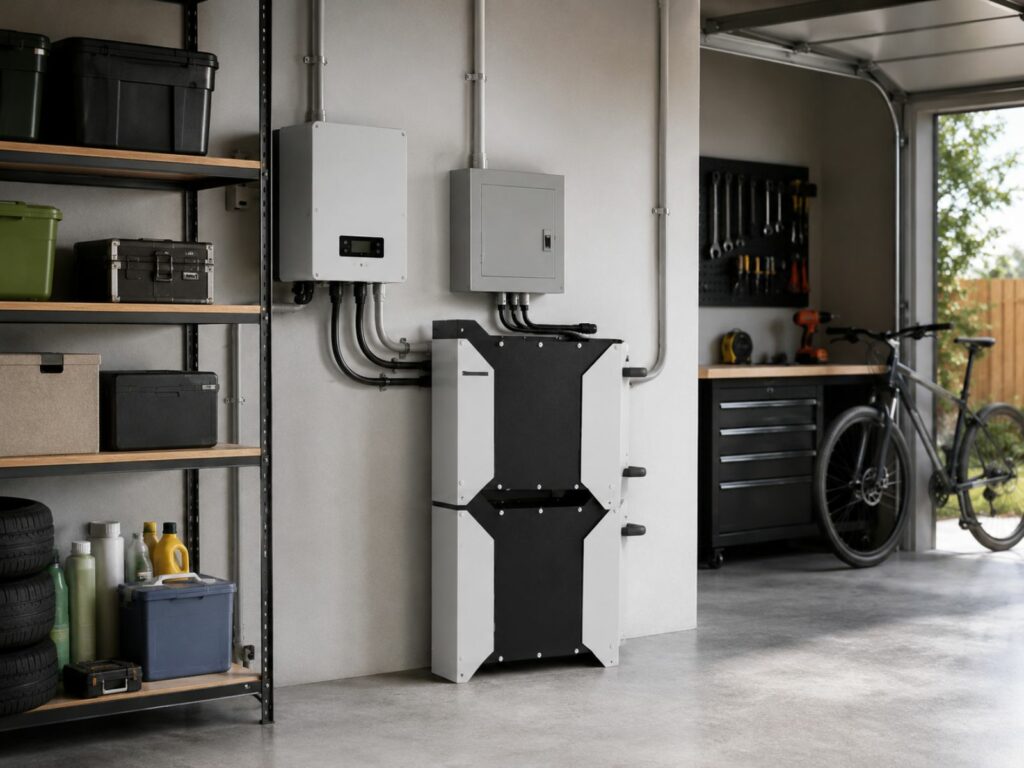
Before choosing an energy storage system, several key factors should be analysed, as they affect both the profitability of the investment and the subsequent operation of the entire system.
Energy production and consumption profile
The most important step is to determine how much energy the installation produces, how much of it is exported to the grid and at what times the building uses the most electricity. This information helps determine what battery capacity is actually needed. A storage system that is too small may not be able to make full use of the available surplus, while one that is too large will unnecessarily increase the cost of the investment.
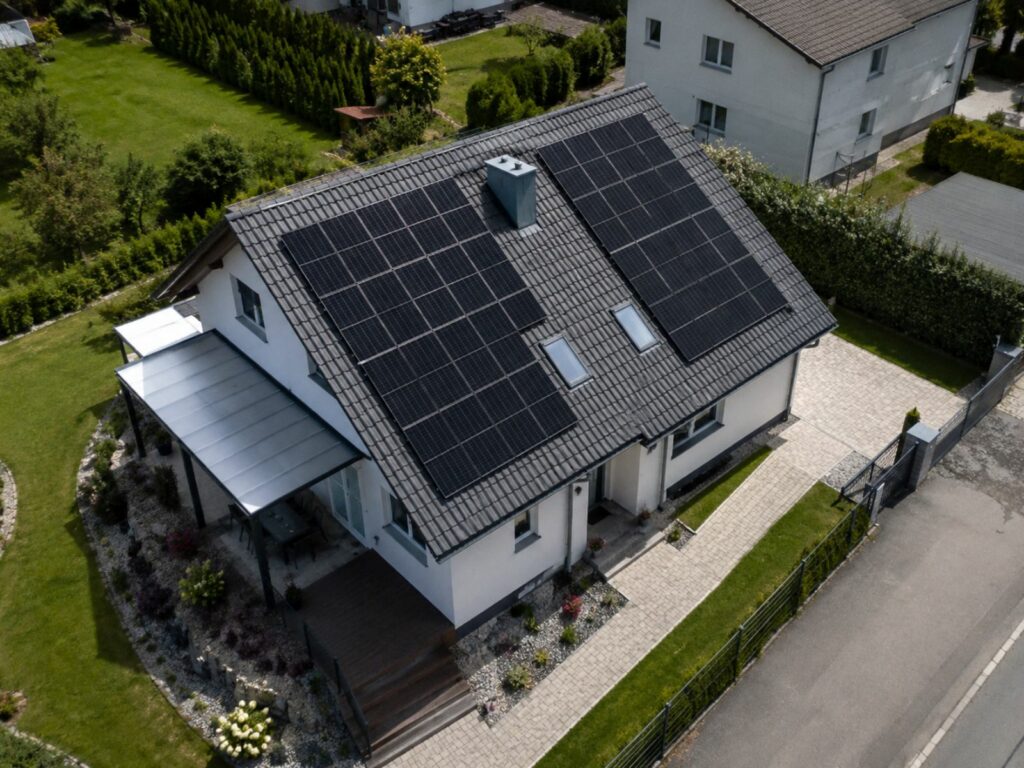
Condition and compatibility of the installation
The next step is to assess the existing photovoltaic installation, particularly the inverter, protections and the way individual components are connected. Not every inverter can work directly with an energy storage system, so in some cases it is enough to choose a compatible battery, while in others an additional battery inverter or replacement of the existing unit may be necessary. It is also worth taking into account any future expansion of the PV installation or the addition of new energy-consuming devices.
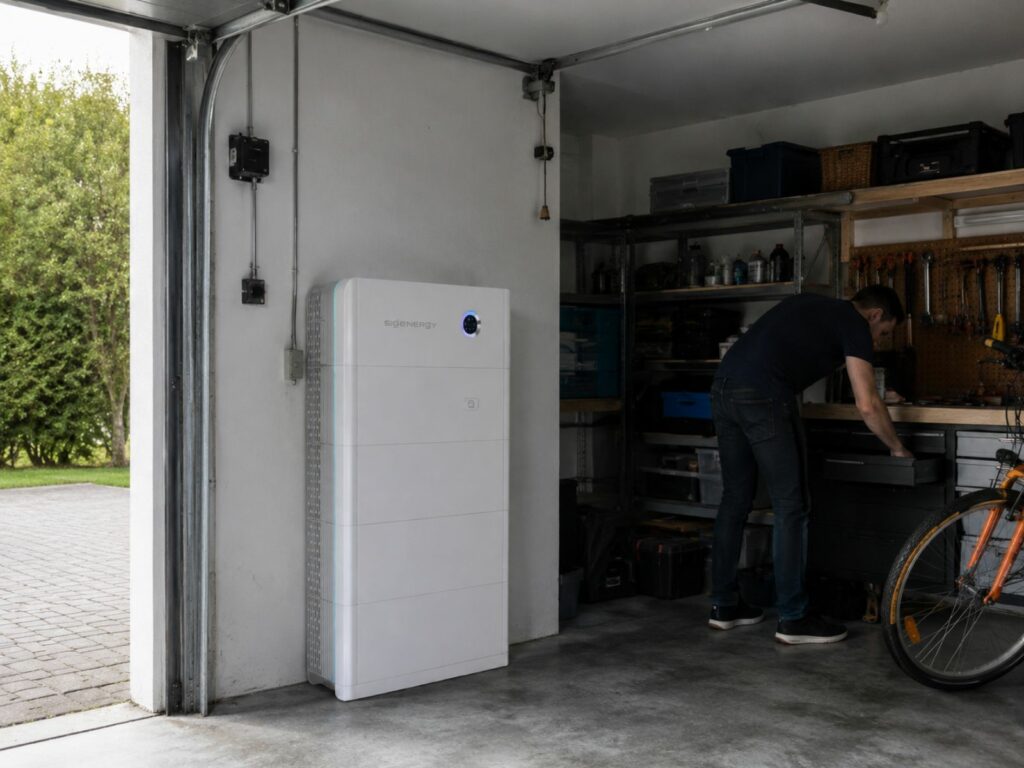
Backup power
If the energy storage system is also intended to provide backup power, it is necessary to check whether the selected system actually supports this function. Simply having a battery does not automatically mean that the entire house will remain powered during a grid outage. Appropriate inverter functions, additional switching components and a clear decision on whether backup power should cover the entire building or only the most important circuits, such as the refrigerator, lighting, internet connection or heating system, are required.
Does every photovoltaic system owner need an energy storage system?
An energy storage system is not a solution that will automatically be cost-effective for every photovoltaic installation. It can provide the greatest benefits where regular production surpluses occur and a significant share of energy is only needed after the panels have stopped generating. On the other hand, where daytime self-consumption is already high or surplus production is limited, the economic effect of adding a battery may be smaller.
|
An energy storage system is worth serious consideration |
It may be better to postpone the investment |
|
A large share of production is exported to the grid |
Most of the energy is consumed directly |
|
Peak consumption occurs in the evening |
The installation produces only small surpluses |
|
The building operates under a net-billing system |
The upgrade would require replacing many system components |
|
New energy-consuming devices are planned |
There is insufficient data on the actual consumption profile |
|
Properly designed backup power is important |
The only argument is a temporarily available subsidy |
An energy storage system should therefore not be sized solely according to the capacity of the photovoltaic panels or purchased simply because batteries have become a popular addition to PV installations. The decision should be based on actual measurements of energy production and consumption, electricity bills and a technical assessment of the existing installation. Only then is it possible to determine the appropriate storage capacity and assess whether the investment will genuinely deliver the expected benefits.
How can Voltmax help expand a photovoltaic installation with energy storage?
Expanding an existing photovoltaic installation should be preceded by an analysis of its parameters, the energy consumption profile and the available technical options. Voltmax helps assess the compatibility of the existing system, select the appropriate storage capacity and plan the upgrade so that it increases the use of self-generated energy and adapts the operation of the installation to the building’s actual needs.
As part of these solutions, we offer Breeze energy storage systems, which can be matched both to new photovoltaic installations and to suitably prepared existing systems. The selection of a specific solution is preceded by a technical analysis, ensuring that the storage system is not simply an additional accessory to the photovoltaic installation, but an integral part of the entire energy management system.