
Self-consumption is the portion of energy produced by a photovoltaic system that is used on site in the home instead of being exported to the grid. The higher the self-consumption, the more electricity is actually used for your own needs: powering household appliances, heating, hot water or charging an electric car before there is any need to buy energy from outside. Why is this so important? Because self-consumption directly affects bills and the sense of control over energy costs. Instead of relying on the rate at which exported energy will be settled, you use it immediately at the moment it is produced. As a result, the PV system is used more effectively and electricity costs become more predictable. Photovoltaics and an energy storage system can help increase self-consumption, while simple solutions can deliver a very strong practical effect.
Table of contents
ToggleWhy does a home have low self-consumption without an energy storage system?
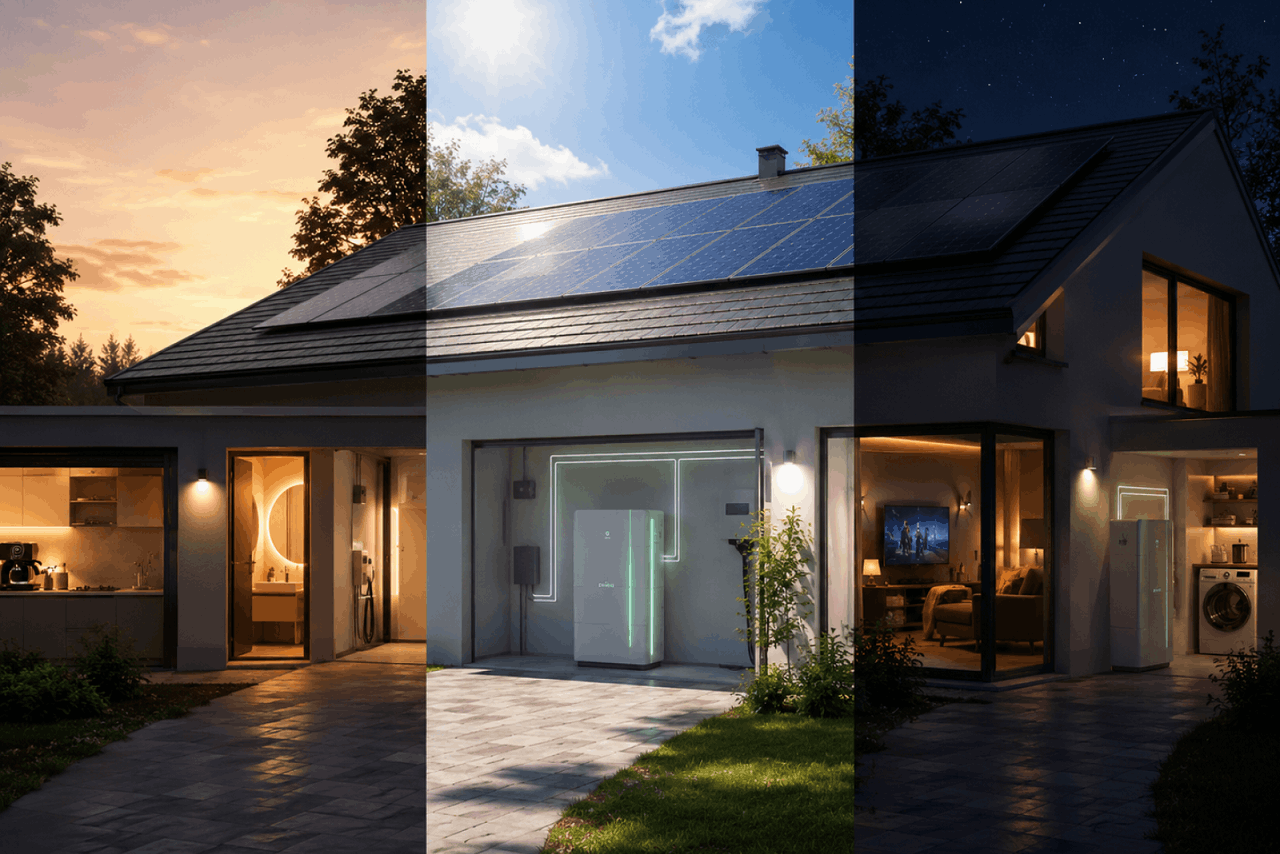
A home without an energy storage system often struggles with low self-consumption. This is because photovoltaics are most effective around midday, while typical household consumption increases in the morning and evening. During the day, residents are usually away from home, and the main appliances run only briefly or not at all. In the evening, the situation reverses: cooking, laundry, lighting, electronics and heating cause energy demand to rise, while PV production drops to zero.
Low self-consumption is usually not a problem of a poor installation, but rather a mismatch between two profiles: when electricity is produced and when it is needed. As a result, surplus energy appears around midday and is exported to the grid, while later – when the home uses more electricity – energy is drawn from the grid again.

An energy storage system as a tool for increasing self-consumption
An energy storage system solves the most common problem of home photovoltaics: electricity is produced during the day, while the highest consumption often occurs only in the afternoon and evening. A battery makes it possible to store surplus production during sunny hours and use it later, when the PV system is no longer generating. This keeps more energy in the home and increases self-consumption. A storage system does not make the PV installation produce more electricity; it simply helps make better use of what has already been produced, reducing the amount of energy exported to the grid and increasing the share of electricity used on site. The result is usually lower grid consumption in the evening and more predictable bills.
The subject of backup power also often comes up. This is important because self-consumption and backup are two different functions: one is designed to reduce bills, while the other is intended to maintain power supply during an outage. They can work together, but usually require appropriate settings, such as keeping a reserve of energy in the battery for emergencies.
How to size an energy storage system for a home without overpaying?
The best way to start sizing an energy storage system is by looking at two simple things: how much electricity from the PV system is produced as surplus during the day, and how much energy is used after sunset, when the PV system stops generating. It is this evening and night-time consumption that determines whether the battery actually has energy to deliver and how much it will improve self-consumption.
A storage system that is too small usually fills up quickly on sunny days, while further surplus energy is still exported to the grid, so the effect of the battery may be limited. On the other hand, a storage system that is too large can operate inefficiently most of the time, because in a typical home there is not always enough surplus energy to fully charge and then use it. In that situation, you are paying for capacity that is rarely used. That is why the best approach is to match the storage system to the real rhythm of the home: when household members are at home, which appliances run in the evening, whether there is a heat pump, electric vehicle charging, water heating, and what the usage habits are. In practice, the goal is to find a capacity that regularly charges during the day and has a meaningful amount of energy to deliver in the evening, without oversizing the investment.
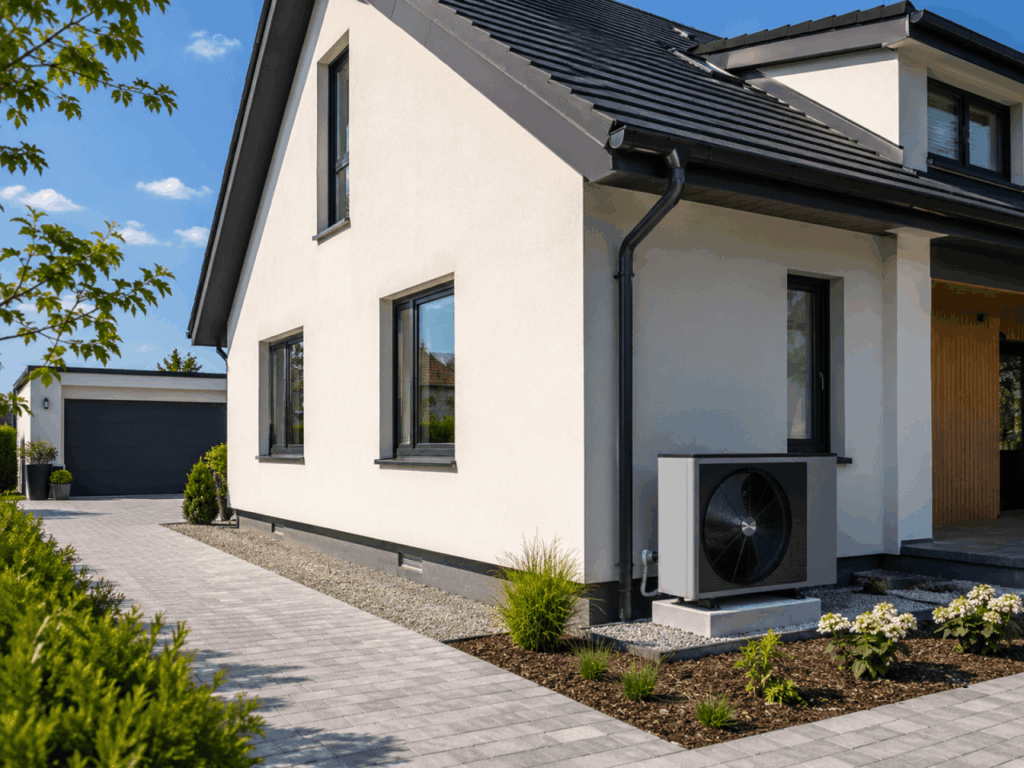
Photovoltaics + heat pump - how to use electricity from the roof?
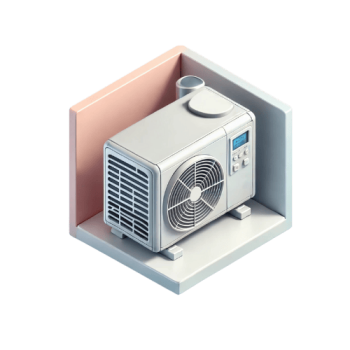
A heat pump can significantly increase self-consumption because it is one of the largest energy consumers in the home. The key is to shift part of its operation to the hours when photovoltaics generate the most electricity, instead of leaving everything until the evening. This means more roof-generated electricity is used on site and less energy has to be purchased from the grid later. The simplest and very effective example is heating domestic hot water around midday. The DHW cylinder then acts as a buffer: the heat pump uses PV electricity, and hot water remains available later when production drops. Similarly, in transitional seasons, gentler operation during the day can be scheduled so that the home maintains a comfortable temperature without sudden evening peaks. In practice, this is done through sensible schedules and control priorities – when water should be heated, when the system should work harder and when it should operate more calmly. It is important, however, not to pursue self-consumption at the expense of household comfort. The best result comes from settings that increase the use of PV energy while still maintaining thermal comfort and a stable indoor temperature.
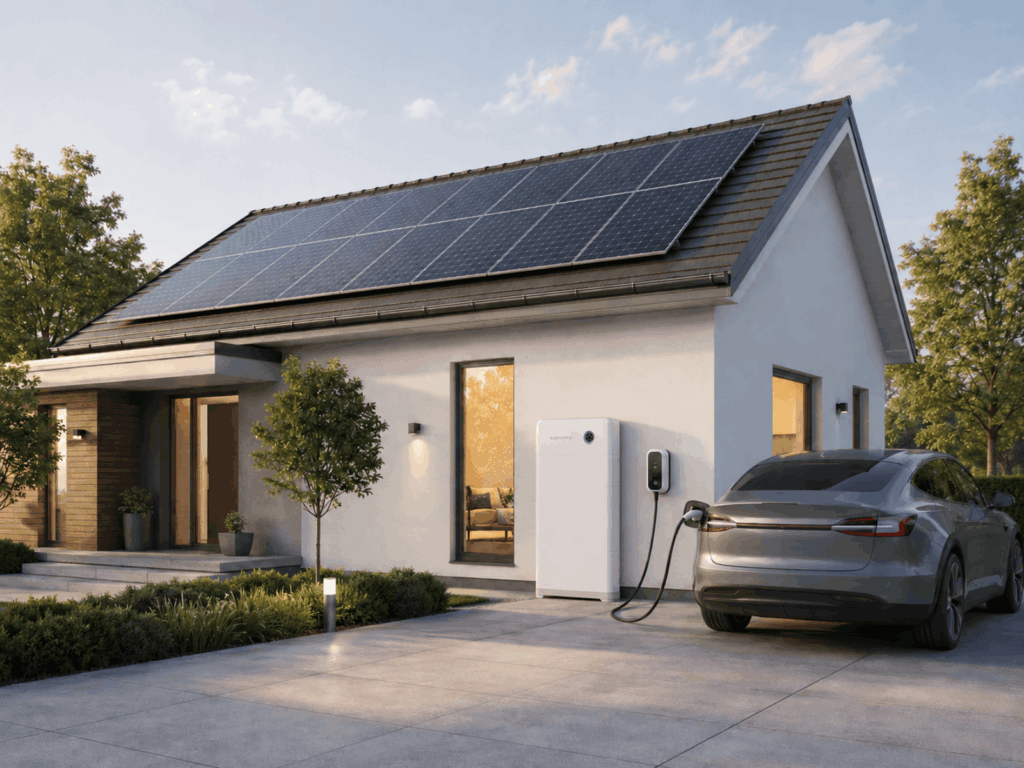
PV + EV - how to charge a car with the help of photovoltaics?
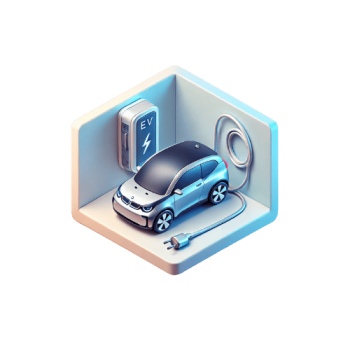
Charging an electric car with the help of photovoltaics makes sense when it happens during production hours, not only in the evening. The best tool for this is a wallbox, which is a home charger for an electric vehicle mounted on a wall or post and permanently connected to the electrical installation. It allows you to set charging schedules and control power in a much more predictable way than a standard socket. In practice, the car charges around midday, when the PV system produces the most energy, instead of drawing electricity from the grid when the sun is no longer generating.
Adjusting charging power to the current surplus from the installation also makes a big difference. Instead of charging at maximum power and drawing the missing energy from the grid, it is better to match the charging speed so that as much electricity as possible comes from the roof. This approach increases self-consumption and usually delivers a better result over the course of a month, even if a single charging session takes a little longer.
Automation and energy metering have the greatest impact here – in other words, information about how much electricity the home is currently using and how much real surplus is available from the PV system. When the system can see this data, it can intelligently manage car charging: speeding it up when there is plenty of sun and slowing it down when the home starts using more energy. As a result, an EV becomes one of the best ways to increase self-consumption, especially in homes where the car is often parked at home during the day.
When does an energy storage system make sense, and when is it better to skip it?
An energy storage system makes sense primarily when surplus energy from photovoltaics appears regularly during the day, while the home still has significant consumption in the evening and at night. In that situation, the battery actually stores energy and later delivers it, so self-consumption increases in a noticeable way. The second case is the need for backup power – then the storage system is chosen not only for lower bills, but also for comfort and safety, provided that the system is properly configured.
There are, however, homes where a storage system is not the first step. If you already use most of the energy during the day, for example because you work from home, have high real-time consumption, charge your car at midday or run the heat pump mainly during electricity production hours, self-consumption can be high even without a battery. In this scenario, proper automation often delivers a greater effect: schedules, wallbox control, heating DHW at midday and settings that shift consumption to sunny hours. If there are large surpluses and evening consumption is also clearly noticeable, a storage system makes sense. If surpluses are small or the home already uses most of the production on site, it is better to start with control settings and adjusted habits, and only consider a storage system as the next step.
How does Voltmax help increase self-consumption at home?
Voltmax helps increase self-consumption at home by matching the entire system to how the household actually uses energy. We select photovoltaics, an energy storage system and a wallbox based on the consumption profile, taking into account heat pump operation and the times when the highest loads occur in the home. As a result, the installation is not oversized and the storage system does not operate without real benefit.
A large part of increasing self-consumption comes down to the right control settings, which is why our goal is to configure energy-use priorities: first the home, then the energy storage system, and then car charging or exporting energy to the grid. We also set a backup reserve if this is important, as well as DHW and EV charging schedules, so that as much energy as possible is used during production hours. The installation conditions of the storage system are equally important: we select the location with temperature, ventilation and service access in mind, as this affects stable system operation.
Finally, we commission and configure the installation so that it works predictably and does not require manual supervision every day. If you are interested, we will prepare a proposal tailored to your energy use and goals, and then choose the settings so that self-consumption increases in practice, not just on paper. Contact us.