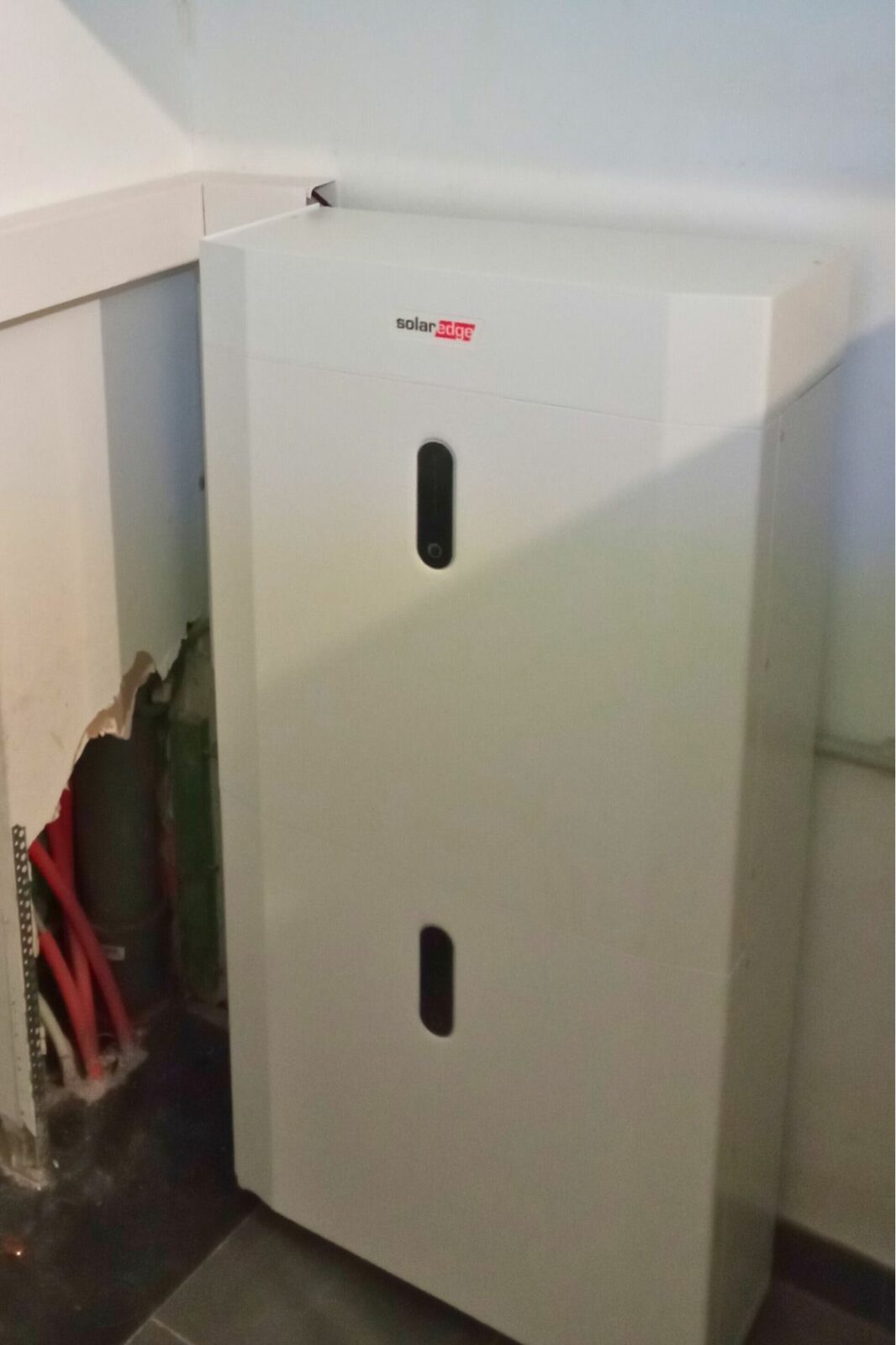
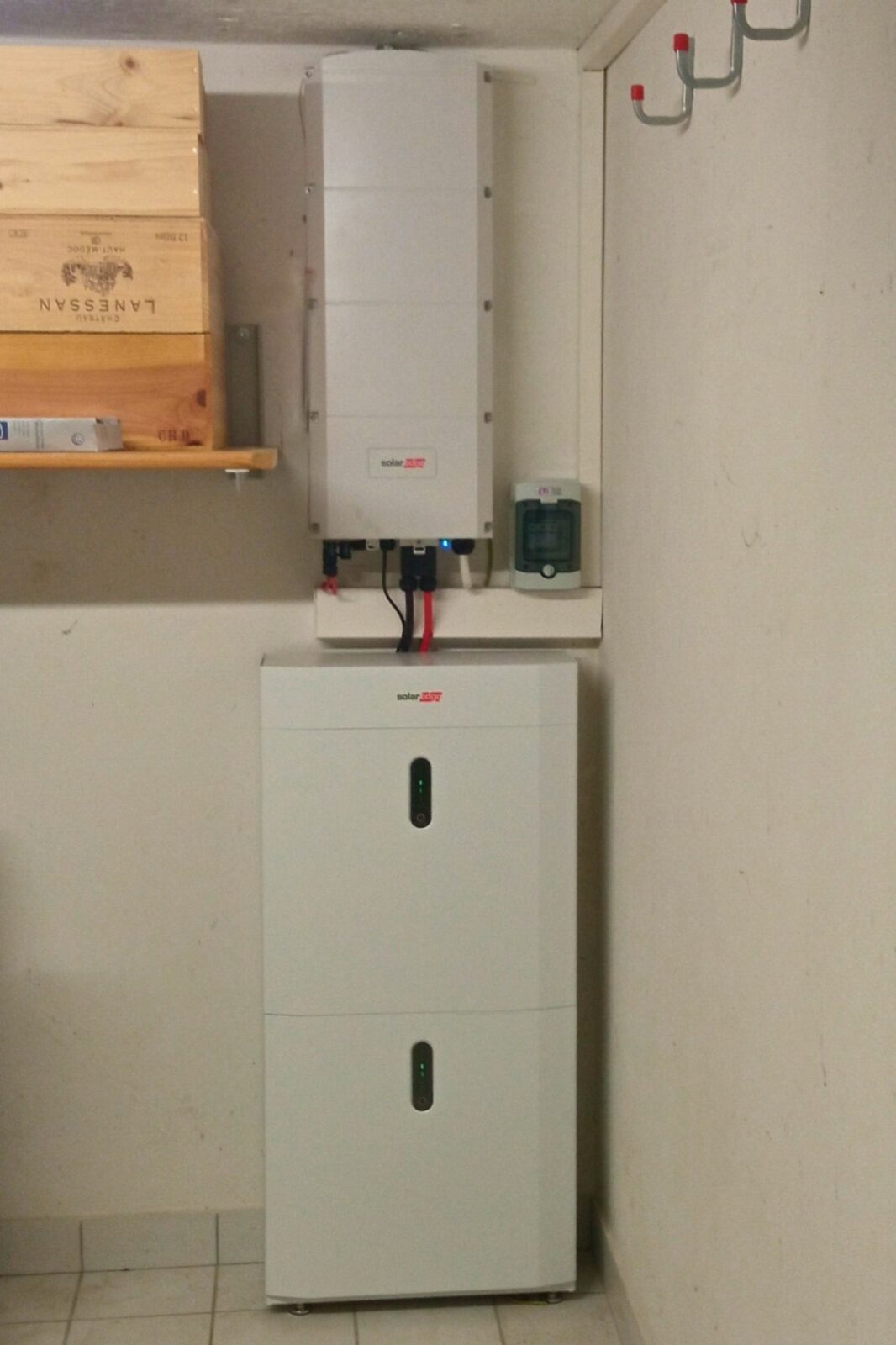
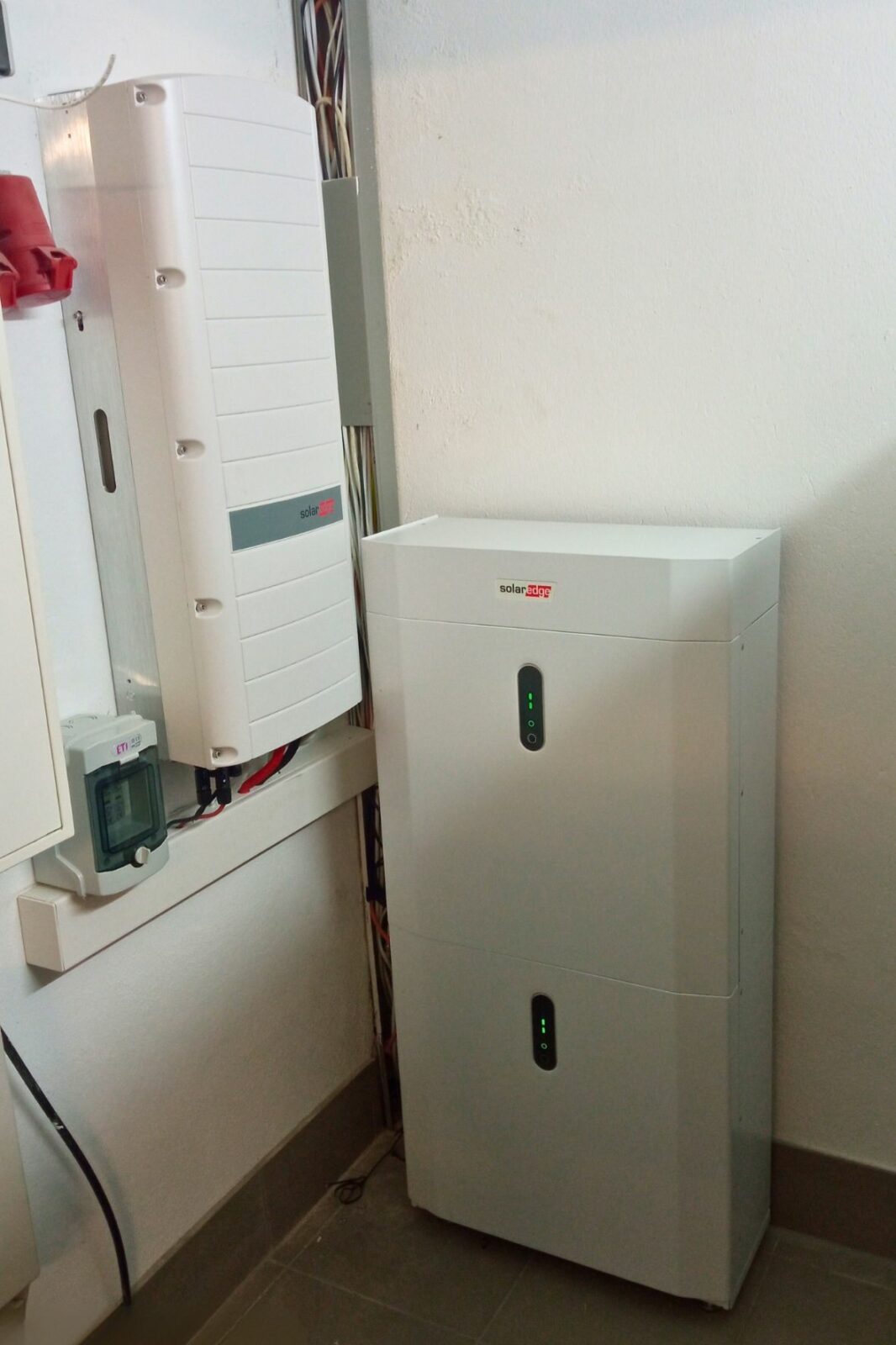
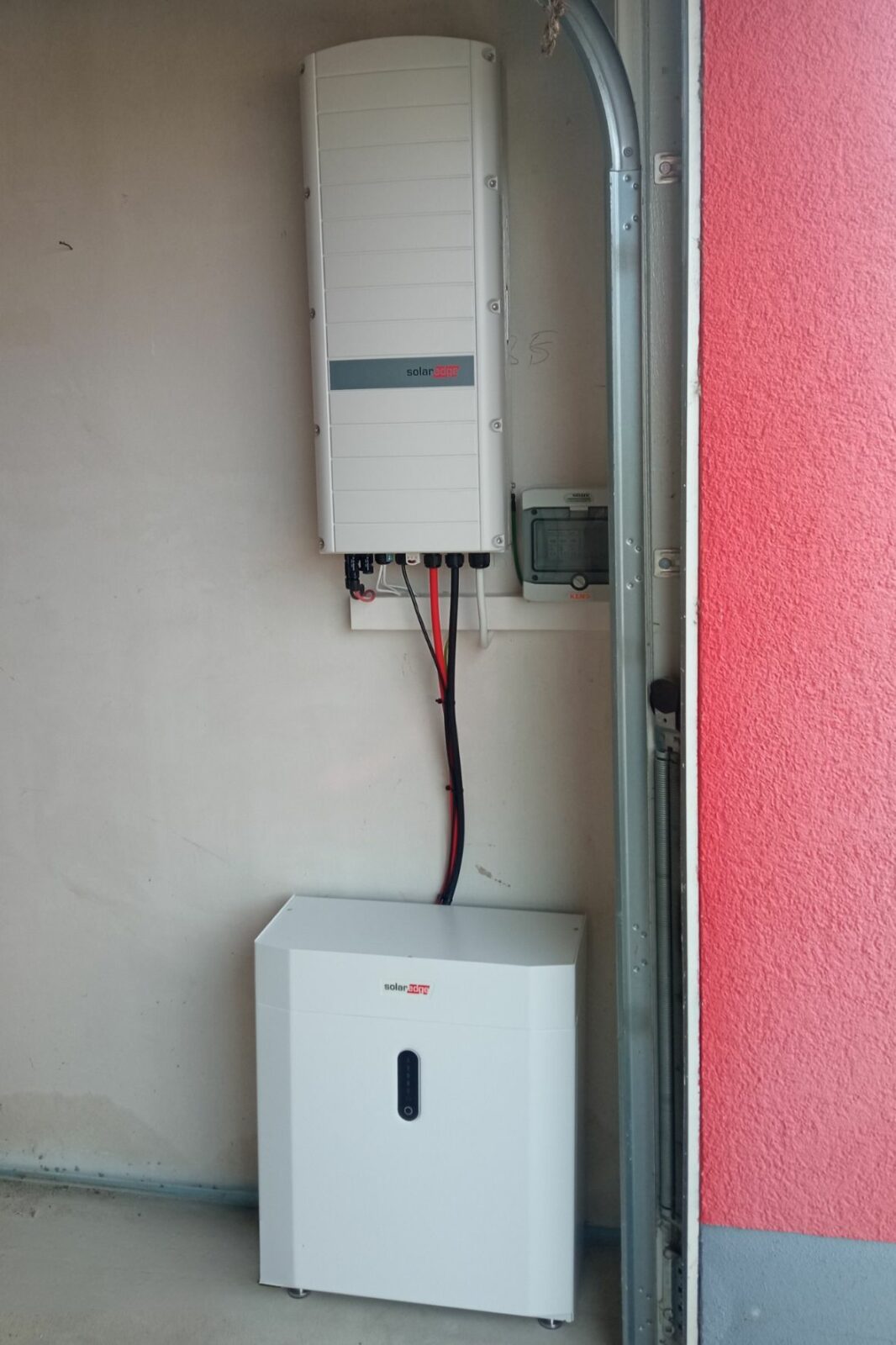
Some batteries simply store electricity. SolarEdge is built to do more. Its storage solutions are part of a wider platform designed to help solar energy flow where it creates the most value — into your home, your business, your backup system, or the hours when electricity costs the most. That is what makes SolarEdge compelling: it is not only about how much energy you can store, but how intelligently the whole system can respond.
![]()
That is exactly where SolarEdge makes sense.
Many storage brands focus on one thing: battery size. SolarEdge takes a different approach. Its storage solutions are designed as part of a wider energy ecosystem, where the inverter, battery, backup interface, monitoring, and smart energy devices work together instead of operating as separate components. That matters in real life, because a well-integrated system is easier to manage, easier to expand, and better positioned to optimize self-consumption, backup readiness, and long-term energy savings.
One ecosystem. One monitoring environment. One smarter way to store solar energy.
Connected. Powerful. Future-ready.

SolarEdge storage is designed to work as part of a complete energy ecosystem, not as a battery added at the very end of the project. The battery, inverter, monitoring environment, and backup components are built to operate together in one architecture. That creates a cleaner, more coordinated system for both installers and end users. It also makes SolarEdge feel more like an energy platform than a standalone storage product.

The purpose of storage is not only to hold energy, but to help you use more of the solar electricity you already produce. SolarEdge presents its home batteries as a way to store excess PV energy for the evening, for higher-rate periods, or for moments when solar production drops. In practical terms, that means better self-consumption and less dependence on the grid. The result is a solar system that works harder for the property around the clock.

Energy storage becomes much more compelling when it can also support resilience during outages. SolarEdge states that when its batteries are installed with the Backup Interface, the system can provide reliable backup power, with full or partial home backup depending on configuration and market setup. That turns the battery from a savings feature into a continuity feature as well. For many buyers, this is where storage starts to feel essential rather than optional.

SolarEdge highlights its batteries as DC-coupled, which is a key part of the brand’s positioning. In this setup, excess solar energy can be directed into storage efficiently within the same overall system architecture. That helps the storage solution feel tightly integrated with solar generation rather than loosely attached to it. It is one of the reasons SolarEdge is often seen as a system-first brand in storage.

SolarEdge storage is not limited to a fixed one-size battery concept. Official documentation for the Home Battery 48V states usable energy of 4600 / 4850 Wh per module, with support for up to five batteries per inverter, enabling up to 23 kWh per inverter. That makes it easier to size the system more realistically and expand it when energy needs grow. Instead of overbuilding from day one, the system can evolve with the property.

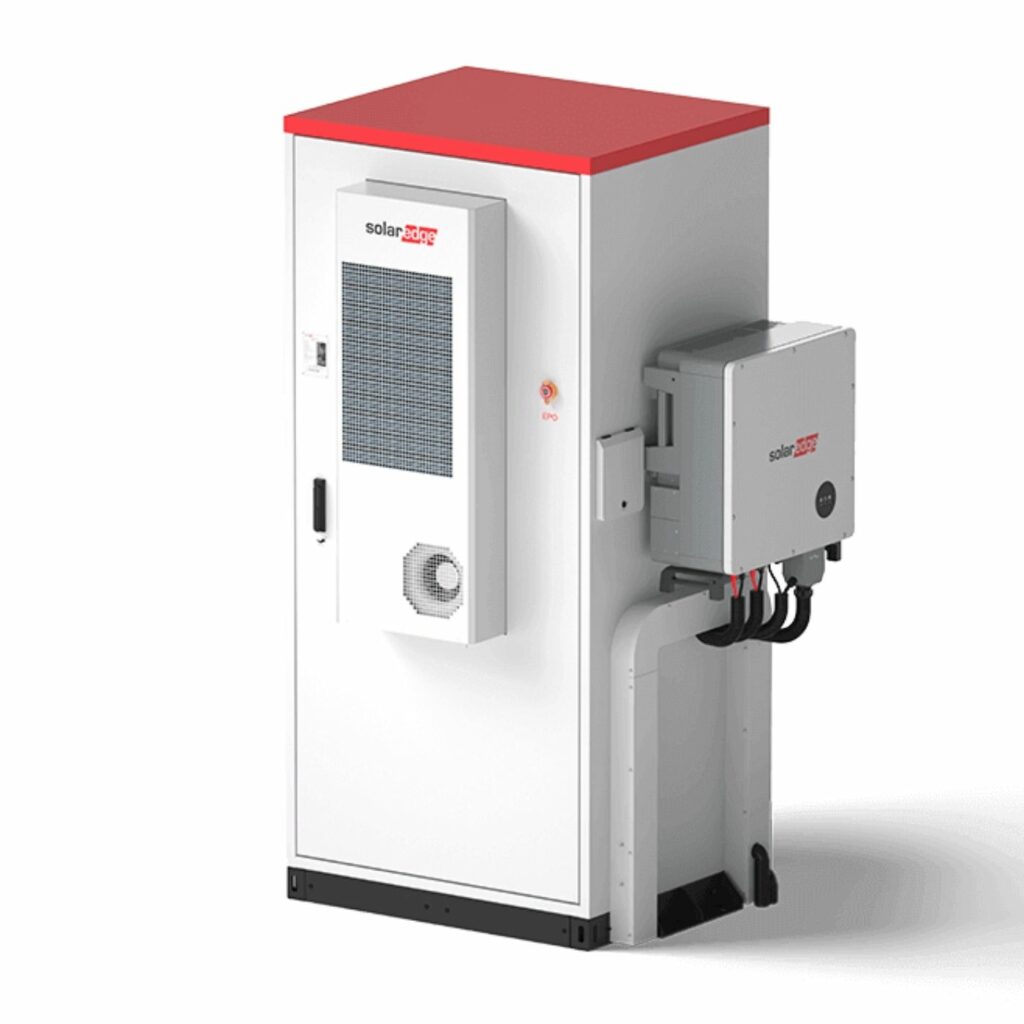
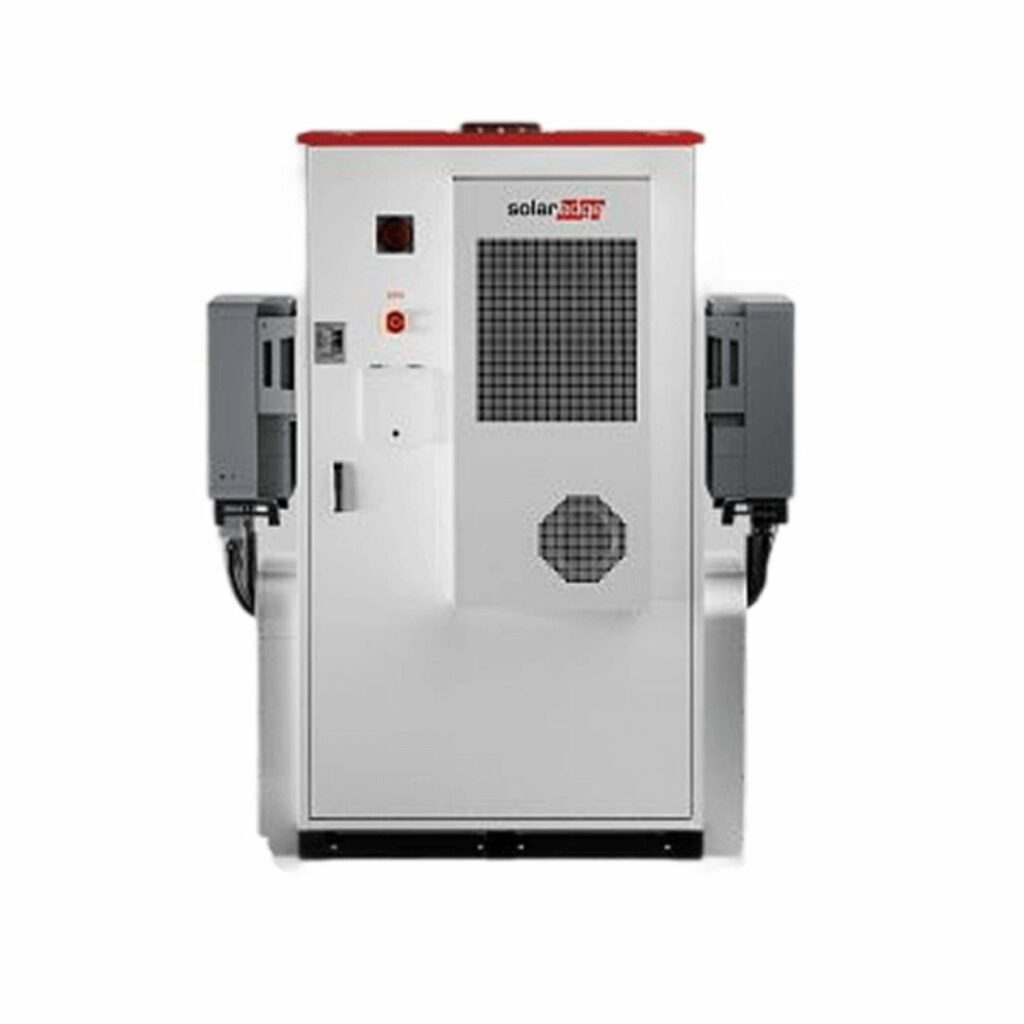
SolarEdge is not only present in residential storage. Its portfolio also includes commercial systems such as the CSS-OD 102.4 and CSS-OD 197, designed for larger indoor or outdoor deployments, with the CSS-OD 197 supporting projects up to 4 MWh. This broader range shows that SolarEdge approaches storage as a serious energy category, not just a single home battery offer. It adds weight to the brand for customers who value long-term flexibility and system depth.
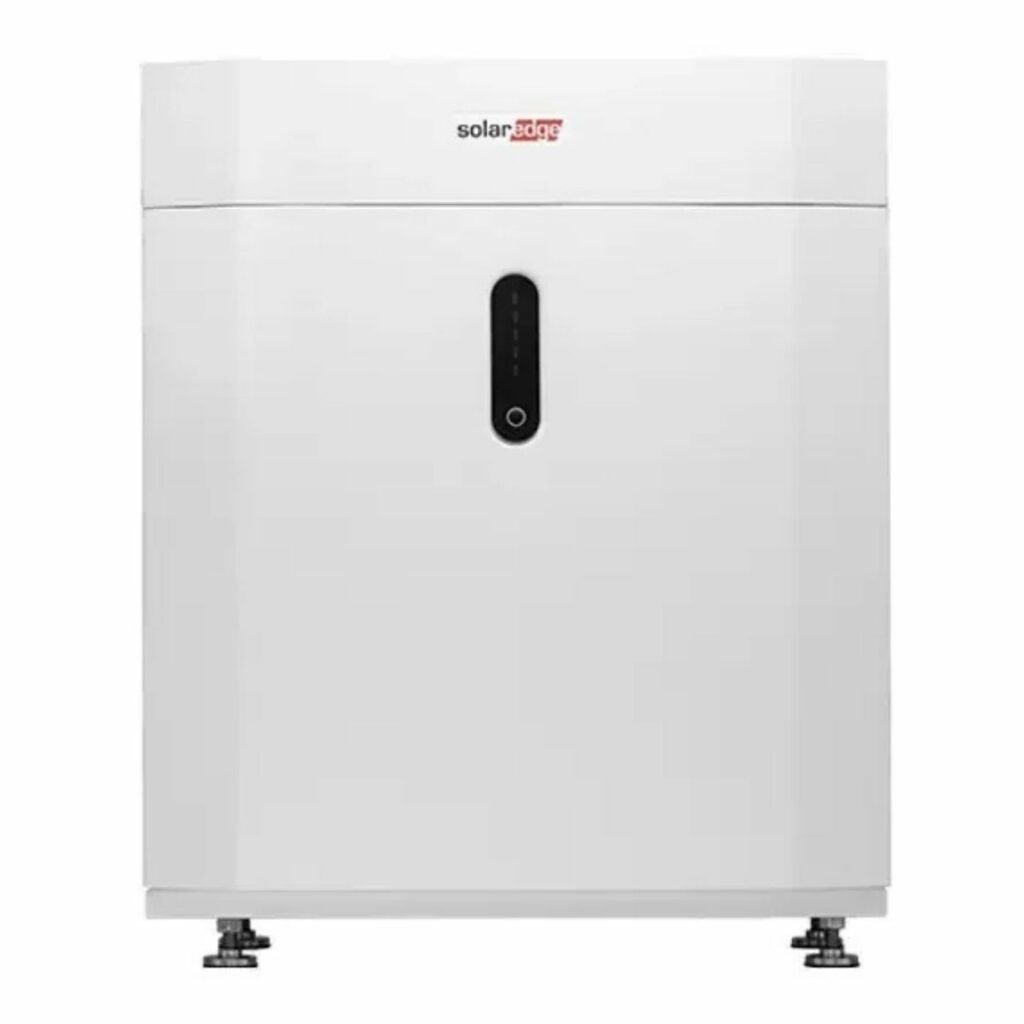
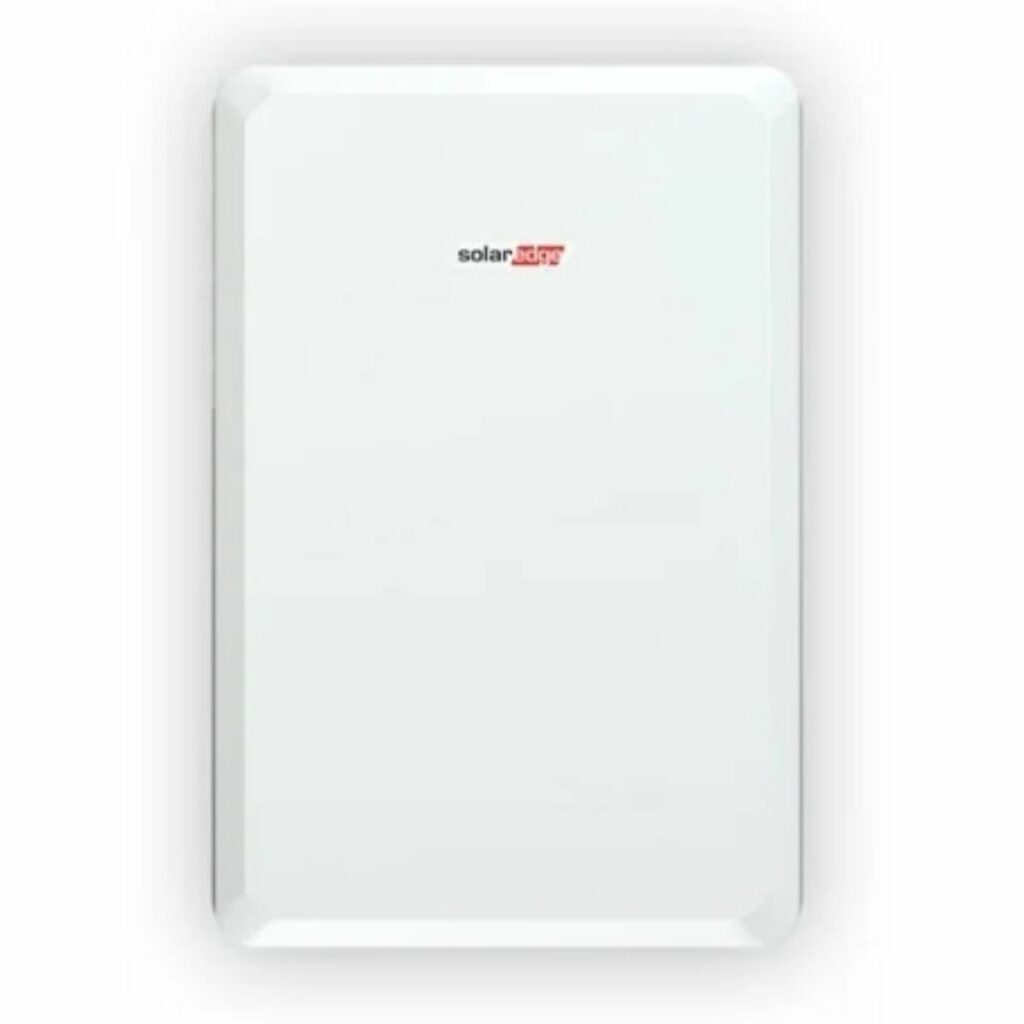
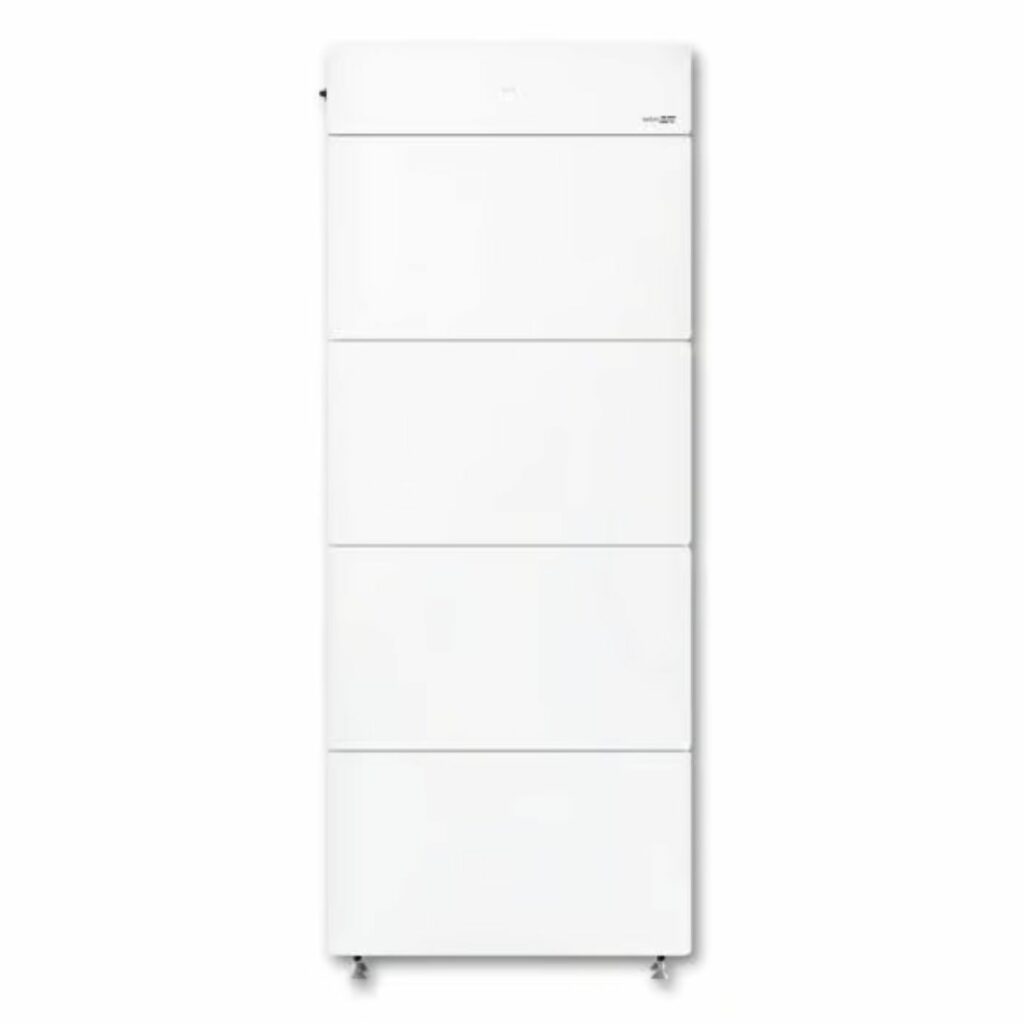
SolarEdge does not offer just one battery. It offers a storage family built for different system types and property sizes. On its residential storage pages, SolarEdge currently presents the Nexis Battery, the Home Battery 400V, the Home Battery 48V, and the Home Backup Interface. On the commercial side, SolarEdge offers the CSS-OD 102.4 and CSS-OD 197 systems for larger energy storage projects.
Designed to integrate with SolarEdge three-phase inverters, this modular battery solution is aimed at households and smaller commercial properties that want flexible storage scaling inside the SolarEdge ecosystem. The official 48V documentation states usable energy of 4600 / 4850 Wh per module, with up to five batteries per inverter, enabling up to 23 kWh of storage on one inverter. SolarEdge’s commercial catalogue also states that a site can deploy up to three inverters for greater total capacity.
SolarEdge Home inverters allow a DC oversizing rate of up to 200% and the battery provides an ideal storage option for housing all that excess power in both on-grid and backup* applications.
Enable homeowners to easily track and manage their battery performance with:
The 400V model is SolarEdge’s high-voltage residential battery option for systems using compatible single-phase inverters. SolarEdge positions it as part of the same home storage and backup ecosystem, alongside inverter control, backup functionality, and smart energy management.
SolarEdge Home inverters allow a DC oversizing rate of up to 200% and a SolarEdge Home Battery provides an ideal storage option for housing all that excess power in both on-grid and backup* applications.
SolarEdge Home Battery 400V is one of the first residential batteries to pass the strictest UL9540A unit level test for fire safety hazards, allowing convenient indoor installations.
SolarEdge now also presents the Nexis Battery as a new premium solar-plus-storage solution. On SolarEdge’s residential pages, Nexis is described as a powerful and scalable battery with enhanced safety that fits both 1-phase and 3-phase systems. SolarEdge’s Nexis materials also describe modular scaling from 4.9 to 19.6 kWh per battery stack in that platform, though rollout and availability can vary by market.
Our modular Battery Blocks are designed to flexibly fit any space – indoors or outdoors, floor-standing or wall-mounted.
SolarEdge CSS-OD 102.4* is a 102.4 kWh-rated solution, installed indoors or outdoors, with a pre-assembled battery cabinet and battery inverter that connects seamlessly with your SolarEdge PV system.
The CSS-OD 102.4 is managed by the SolarEdge ONE for C&I energy optimization platform and SolarEdge ONE Controller for C&I onsite gateway, working together to control battery functionality and maximize savings for multiple use cases.
SolarEdge CSS-OD 197* is a 197 kWh-rated commercial and industrial storage solution supporting large indoor or outdoor deployments of up to 4 MWh storage capacity. It comes with a pre-assembled battery cabinet and features 50 kW or 100 kW battery inverter output.
Connecting seamlessly with your SolarEdge PV system, the CSS-OD 197 is managed by SolarEdge ONE for C&I, a comprehensive energy optimization platform that orchestrates PV system energy production, storage, and export. This helps to maximize solar energy benefits and minimize energy costs across multiple use cases.
SolarEdge is not strongest when it tries to look like every other battery brand.
Its real advantage comes from how the whole system is designed.
Key strengths include:
In simple terms: SolarEdge makes the most sense when the priority is not just storing energy, but controlling how the whole energy system behaves.
A good battery is not automatically the largest one. In practice, the right SolarEdge storage setup depends on how the site is built and how the system is expected to behave.
The phase type of the installation, the inverter architecture, the need for backup, and the expected path for future expansion all matter. This is exactly why SolarEdge should be presented as a system decision rather than a battery purchase.
The logic of the project comes first; the battery configuration follows.
Not every home needs the same battery. Not every business needs the same storage logic. If you are considering SolarEdge, we can help match the system to your installation, your energy usage, and your expectations for backup and future expansion.
Download the official SolarEdge datasheet for specifications, electrical data, and installation parameters.
A SolarEdge battery is an energy storage solution designed to work within the wider SolarEdge ecosystem. It stores excess solar energy produced during the day so that it can be used later, for example in the evening, at night, or during periods of higher electricity rates. SolarEdge positions its batteries as part of a connected system that can include the inverter, battery, monitoring environment, and backup components working together.
The main difference is integration. SolarEdge does not present storage as a standalone battery added to any random setup, but as part of a complete solar architecture. This means the battery is designed to work closely with compatible SolarEdge inverters, monitoring tools, and backup hardware, creating a more unified system for energy management, visibility, and control.
No. SolarEdge is best understood as a full solar and energy management ecosystem in which storage is one part of the larger system. Its official product structure links batteries with inverters, backup hardware, monitoring, and smart energy management.
The two batteries are intended for different system architectures. SolarEdge’s product information presents the Home Battery 400V as part of its single-phase residential offer, while the Home Battery 48V is positioned for compatible three-phase systems. The 400V model is also described by SolarEdge as allowing up to three batteries per inverter, while the 48V line is modular and can scale up to five batteries per inverter in official documentation.
Yes. Official documentation for the 48V platform describes modular expansion up to five batteries per inverter, and SolarEdge’s commercial materials also describe multi-inverter deployment per site. Commercial CSS-OD systems scale much further for business applications.
In Luxembourg, a SolarEdge home battery may currently qualify for Klimabonus financial support when it is connected to a photovoltaic system operating in self-consumption mode. Under the current 2026 scheme, the subsidy for the battery is calculated by formula and reaches a maximum of €2,250 for a storage capacity of 9 kWh or more. The battery must have at least 2 kWh of storage capacity, and if it is added to an existing photovoltaic installation, the application must generally be made through the post-financing procedure, not the new pre-financing route. It is also important to note that an additional battery for the same photovoltaic installation is only eligible again after 5 years from the invoice date of the previous storage system.
Yes – under the current Klimabonus scheme in Luxembourg, a home battery connected to a self-consumption photovoltaic system may qualify for financial support. The battery subsidy can reach up to €2,250, depending on usable storage capacity, with the maximum reached from 9 kWh. Eligibility depends on the project setup, and batteries added later to an existing PV system must usually follow the standard post-financing procedure.
Yes, but only in the right system configuration. SolarEdge states that its batteries can provide reliable backup power during outages when installed with the SolarEdge Home Backup Interface and compatible SolarEdge Home Hub inverters. Depending on the configuration, this can support either full or partial home backup rather than simply acting as an energy storage unit for daily use.
Yes, if backup functionality is part of the project. SolarEdge specifically states that the Backup Interface connects the SolarEdge Home Hub inverter and SolarEdge Home battery, and automatically manages disconnection of house loads from the grid during power failures to provide backup power. Without that backup-specific architecture, the battery may still store energy, but it is not the same as having a properly configured backup system.
That depends on the model. According to official SolarEdge materials, the Home Battery 48V offers 4600 / 4850 Wh usable energy per module and supports up to five batteries per inverter, allowing up to 23 kWh per inverter. SolarEdge’s battery summary pages also describe the Home Battery 400V as a 10 kWh product, with support for up to three batteries per inverter.
In many cases, yes. One of the strengths of the SolarEdge residential storage offer is modularity. The official installation and product materials for the Home Battery 48V state support for up to five batteries per inverter, which makes it possible to start with a smaller configuration and expand later as energy demand grows.
Yes. SolarEdge’s residential storage portfolio is structured to support both installation types, but with different battery families and compatibility paths. Its official storage pages and battery summaries distinguish between the Home Battery 400V for single-phase systems and the Home Battery 48V for three-phase systems, so the right choice depends on the inverter architecture and site design.
They are designed to help increase self-consumption of solar energy, which can reduce the amount of electricity that needs to be bought from the grid. SolarEdge explicitly says its batteries store excess solar power for use when rates are high or at night, which is the core reason storage can improve energy economics. The exact savings will always depend on the property, electricity tariff, and system design, but the purpose of the storage system is clearly tied to more effective use of self-generated energy.
SolarEdge also offers commercial storage systems. In addition to its residential batteries, the company presents the CSS-OD 102.4 and CSS-OD 197 for larger commercial and industrial applications. These systems are positioned for much larger-scale projects, showing that SolarEdge approaches storage as a wider energy category rather than only a home battery product line.