
Buying a home is only the beginning of the property ownership journey. Over time, homeowners begin to notice how strongly heating costs, heat loss, and the predictability of utility bills affect living comfort, the monthly budget, and the property’s value. Today, increasing a home’s value is no longer just about interior aesthetics, but also about solutions that reduce maintenance costs and improve comfort for many years to come. More and more buyers pay attention to energy bills, the heating system, and the building’s energy rating, treating them as important factors when choosing a property and negotiating its price. An energy-efficient home, warmer in winter and more comfortable in summer, inspires greater confidence and usually finds a buyer more easily. That is why investments such as thermal modernization and photovoltaics can simultaneously improve everyday comfort, reduce expenses, and increase the market value of the property. These are solutions that bring benefits not only here and now, but also over the years ahead.
Table of contents
ToggleWhat Actually Increases a Home’s Value During Modernization?
During property modernization, it is easy to focus on the most visible elements, such as a new kitchen, a refreshed bathroom, or impressive flooring – these changes improve first impressions and help with the sale of a property. However, it is worth remembering that aesthetics age quickly, and the new owner will often arrange the interior to their own taste anyway. Functional upgrades are therefore becoming increasingly important, as they have a real impact on everyday comfort: warmth in the home, no dampness or drafts, quietness, stable indoor temperature, and lower, more predictable bills. These are precisely the solutions that improve energy performance and are now becoming a strong advantage, because they are measurable, comparable, and increasingly often translate into a higher property value. In addition, an energy audit or energy performance certificate may be required when selling a house, and banks are increasingly taking such data into account when assessing a property and credit risk. As a result, upgrades aimed not only at appearance but also at energy efficiency can make a sale easier and make the house significantly more attractive to buyers.
First Reduce Losses, Then Add Technology
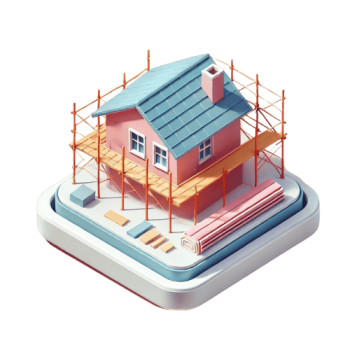
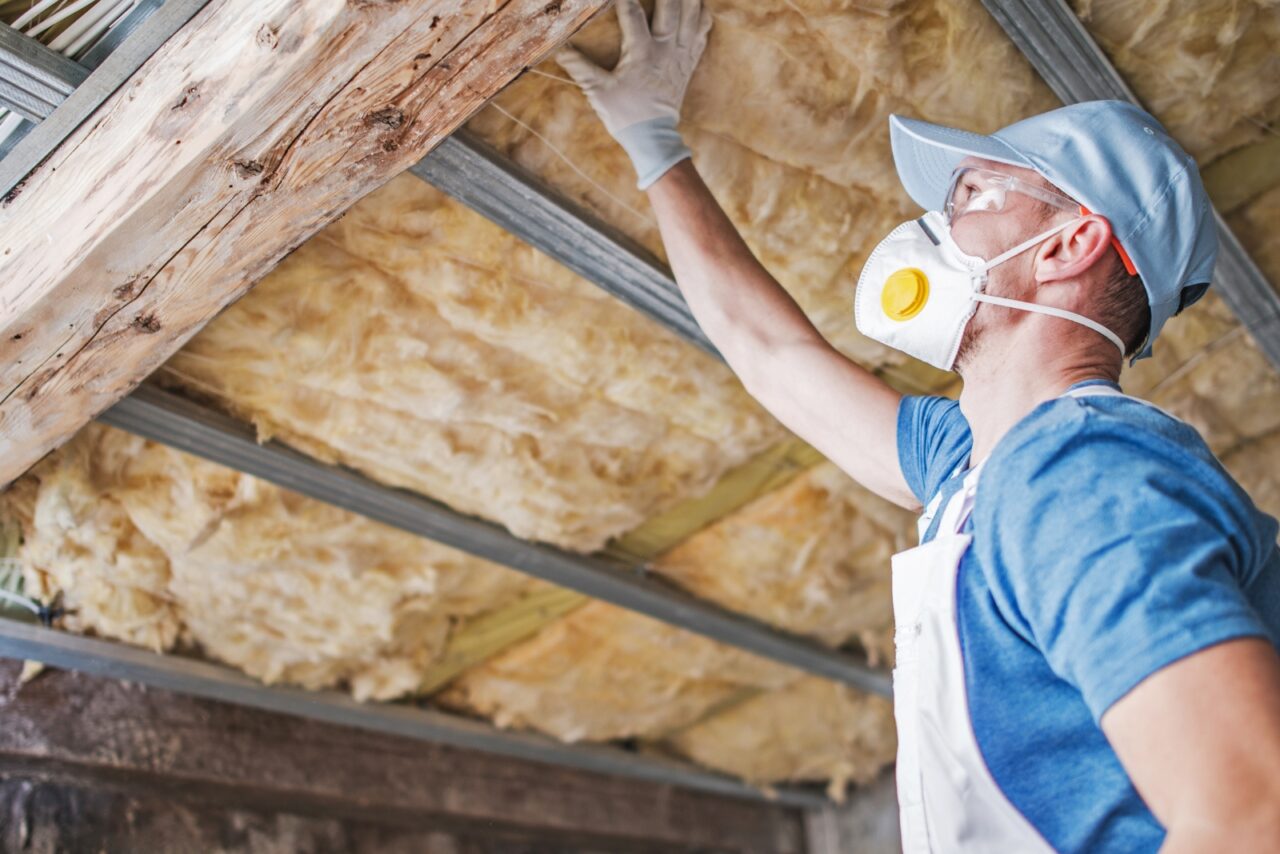
The most cost-effective home modernization usually does not begin with the purchase of new technology, but with reducing energy losses. Thermal modernization forms the foundation for further measures, because a well-insulated and airtight building requires less energy for heating, which makes it possible to use a smaller and less expensive heat source and to control utility bills more effectively. The greatest amount of energy usually escapes through the roof, attic, external walls, thermal bridges, as well as leaky windows and doors, which is why these elements are of key importance for comfort and operating costs.
In practice, this means that effective thermal modernization should address exactly those elements through which the house loses the most energy. That is why not only the work plan itself is important, but also the proper selection of materials and the quality of workmanship. As a company specializing in thermal modernization, we help select solutions tailored to the condition of the building and carry out insulation of roofs, attics, walls, and basements. We also offer a wide selection of windows and external doors that improve the building’s airtightness and reduce heat loss at one of the most critical points of the entire house.
Efficient ventilation is equally important, because after the house has been insulated it helps prevent dampness, stuffiness, and mold, improving the comfort of the residents. Proper adjustment of the heating system is another essential element, because even without a major renovation it can reduce energy consumption. Only in a house prepared in this way do solutions such as a heat pump or photovoltaics operate truly effectively and best support an increase in the property’s value.
Solar PV Installation - When Does It Increase a Home’s Value?
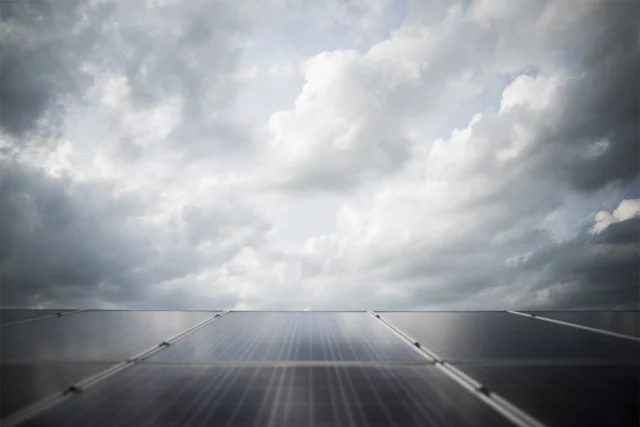
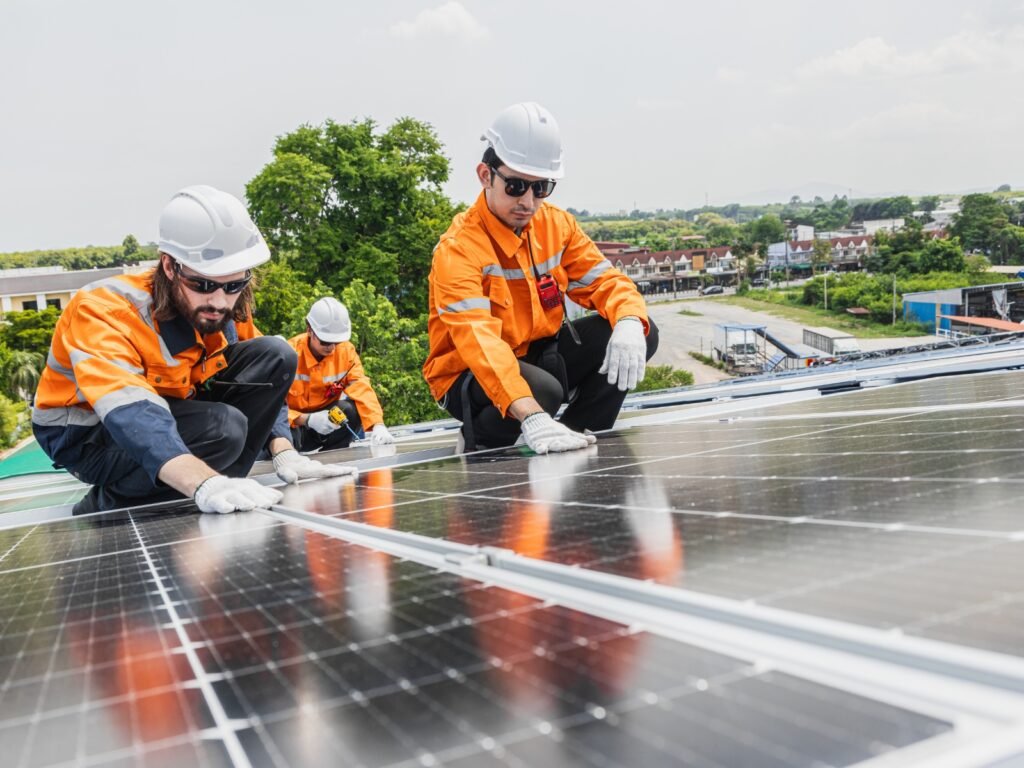
Photovoltaics can increase a home’s value when it provides a real benefit rather than being merely an eye-catching addition. For the buyer, the most important factors are lower electricity bills and the sense that the property is more modern and better prepared for rising energy prices. However, it should be remembered that a PV system does not increase a home’s value in every case. Much depends on the energy consumption profile, the level of self-consumption, roof sun exposure, lack of shading, and the proper selection of the installation itself. The quality of workmanship and the technical condition of the roof are also very important, because even the best installation will not be an advantage if there are doubts about the durability of the entire solution. Another important element is complete documentation, such as invoices, warranties, diagrams, and handover reports, because it increases the credibility of the investment and makes it easier for the new owner to take it over. In practice, the greatest benefits are seen in homes where the photovoltaic system has been designed sensibly, matches the building, and genuinely reduces the cost of everyday use.
PV and Heat Pump - Maximizing the Benefits
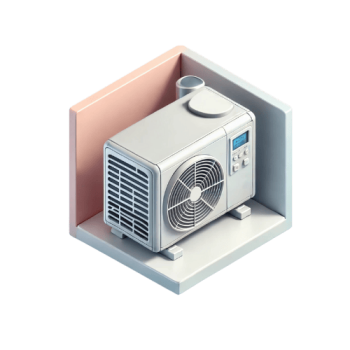
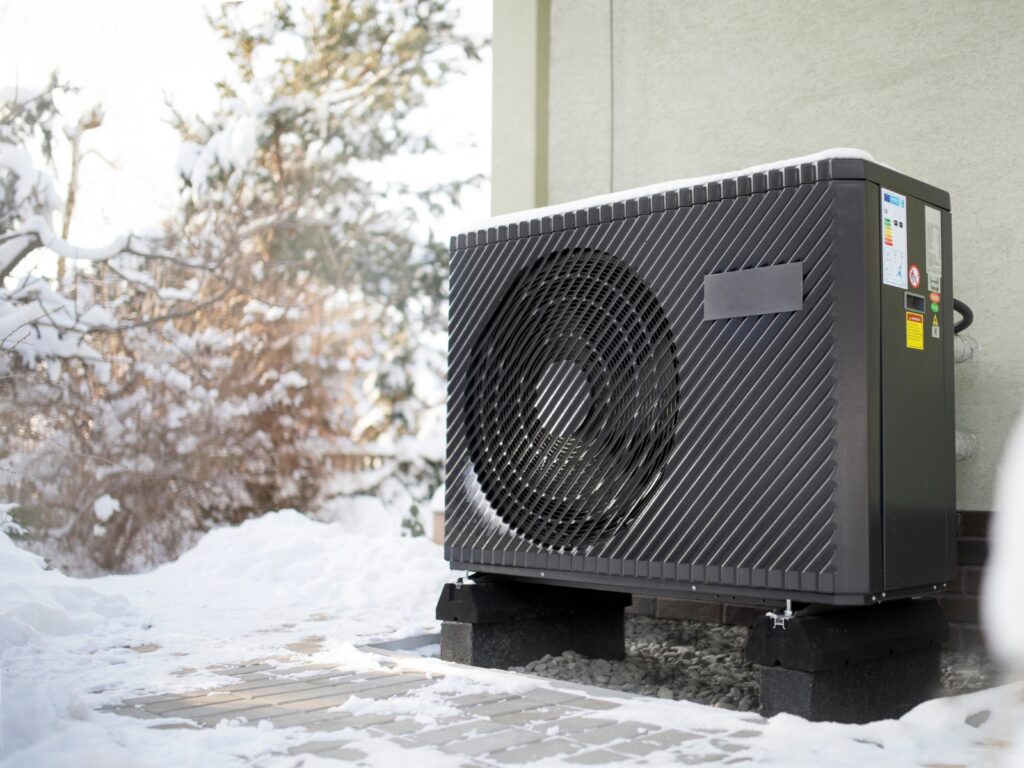
Combining photovoltaics with a heat pump is one of the most rational solutions in modern home modernization, because the two systems complement each other. A heat pump uses electricity to heat the building and prepare domestic hot water, while a PV system can cover part of this demand with electricity produced on site. As a result, the home becomes less dependent on fluctuations in energy prices, and its maintenance costs become more predictable throughout the year. The greatest benefits arise when the building is able to use energy on an ongoing basis, for example during the day, when photovoltaics operate most efficiently. Such a setup does not make the home completely self-sufficient in winter, but it can significantly improve the energy balance, especially during transitional seasons. That is why a well-matched combination of a heat pump and photovoltaics is now regarded as a practical, cost-saving solution that increases a property’s attractiveness.
You might also like: What types of solar panels are most efficient in 2026 – complete guide
Energy Storage - When Does It Make Sense?
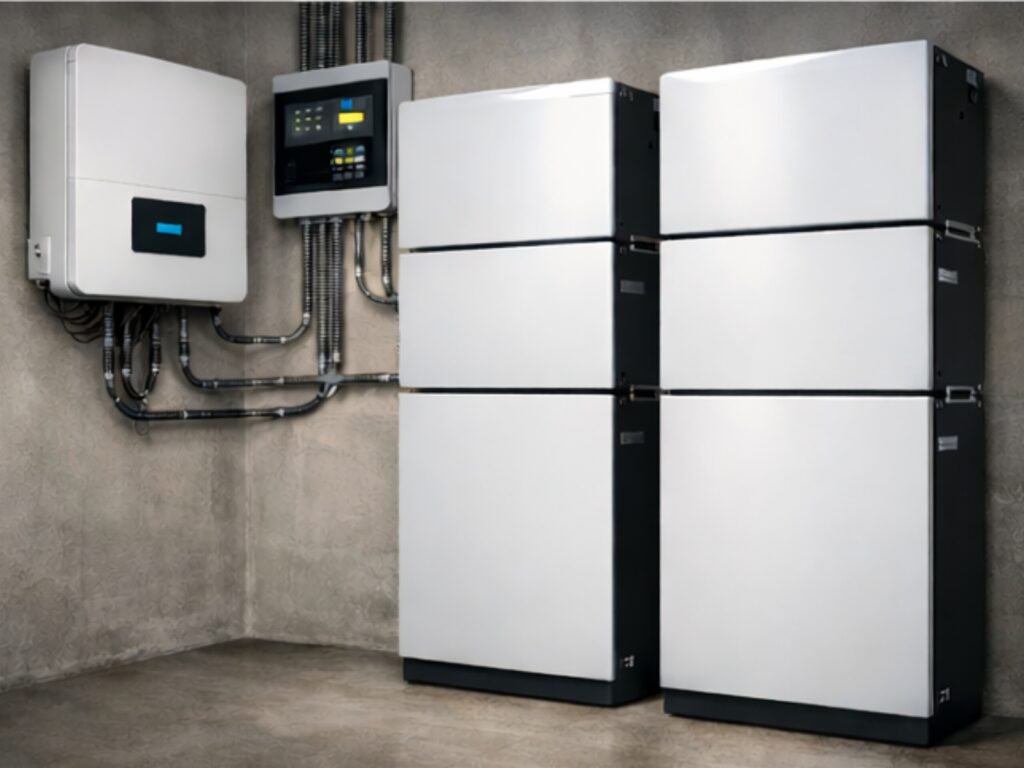
Energy storage makes the most sense when a home regularly produces excess electricity from photovoltaics that cannot be used immediately. Instead of feeding energy back into the grid, it can be stored for later and used in the morning or evening, when demand still exists but the PV system is no longer operating. This increases self-consumption, and more of the generated energy remains available for use on site, which translates into greater control over household energy use and improved everyday comfort. For many people, partial independence and the ability to power selected circuits during a power outage are also important, provided the system has been configured accordingly. However, it should be remembered that storage will not always be equally cost-effective, because its benefits depend on the amount of excess PV energy and on whether the household actually uses energy outside production hours. It works best where there is energy to store and where the stored energy can later be used in a meaningful way.
How to Prepare a Home Modernization Plan?
A good home modernization plan should work like a roadmap – guiding the process step by step, without wasting the budget and without investments that weaken each other’s purpose. A phased approach works best, because it allows you to first improve the building’s basic performance and only then select technologies that are intended to operate on that foundation.
However, if we decide to prepare a home modernization plan, it is worth organizing it step by step:
- Stage 1: thermal modernization and airtightness – at the beginning, it is worth reducing heat loss and properly adjusting what is already in place. Better insulation, greater airtightness, and proper settings of the heating system can quickly improve comfort, even out the indoor temperature, and reduce energy consumption. At this stage, the most common works include insulating the roof, attic, walls, and basements, as well as replacing leaky windows and external doors. These are the elements that most often determine whether the building actually starts using less energy and becomes more comfortable throughout the year.
- Stage 2: modernization of the heat source – only when the building requires less energy is it worth selecting a new heating system or improving the installation itself. This stage has the strongest impact on comfort in winter and on heating costs.
- Stage 3: photovoltaics and energy storage – at the end, it is best to match the PV system to the home’s actual electricity consumption, and to consider storage when there are energy surpluses that can be meaningfully used later. In this way, the entire modernization becomes coherent: first you reduce losses, then you optimize heating, and finally you produce and make better use of your own energy.
In older homes, an important element of modernization may also be the rebuilding of the electrical installation. Adapting it to modern solutions increases the safety of using the building, reduces the risk of overloads, failures, or accidental fires, and at the same time prepares the home for more advanced systems such as a heat pump, energy storage, or photovoltaics. For many buyers, this is also an additional argument showing that the property has been modernized in a comprehensive way.
Recommended reading: SolarEdge App Not Displaying Production Data
How Does Voltmax Help Increase Property Value?
Voltmax can help when you want to modernize your home in a rational way. Our role is not limited to installation alone – we act as a partner from planning to execution: we help set priorities, calculate a sensible scope of work, and select solutions so that the modernization genuinely improves both comfort and the property’s value.
We begin with a diagnosis of the house, that is, by checking what has the greatest impact on its maintenance costs. This makes it easier to identify what will bring the greatest effect and what would be only an expensive “renovation for the sake of renovation.”
Next, we prepare the modernization plan in the right order: first thermal modernization and improved airtightness, then optimization of the installation or selection of the heat source, followed by photovoltaics, and energy storage only when it is truly justified by the consumption profile. This sequence matters, because it affects both the investment costs (for example, lower demand often means smaller equipment) and the final effect reflected in utility bills.
Depending on your needs, we can offer not only the modernization plan itself, but also its comprehensive implementation. We carry out insulation of roofs, attics, walls, and basements, help select appropriate materials, and offer a wide range of windows and external doors that improve the building’s airtightness and reduce heat loss. If the technical condition of the building requires it, we can also carry out a full roof replacement, combined with insulation works and the installation of a photovoltaic system on the new roofing.
In older buildings, modernization often also includes the electrical installation. Its reconstruction and adaptation to current standards not only increase the safety of the home and reduce the risk of failures and fires, but also improve the functionality of the property and prepare it for the implementation of modern energy solutions.
Finally, we match solutions to the real needs of the household and implement them in a coherent way – so that the home is less expensive to maintain, more comfortable on a daily basis, and better valued in the future. Contact us – we will prepare an initial modernization plan for your home and show you which steps will improve comfort and energy performance the fastest.